





SecondaryPackagingMachine
A secondary packaging machine is a pivotal asset in modern manufacturing and distribution, designed to transform primary packaged products (e.g., bottles, blister packs, cans) into larger, logistically efficient units for transit, storage, or retail display. Unlike primary packaging, which directly contacts the product, secondary packaging focuses on protection, organization, and brand presentation—automating a process that would otherwise be labor-intensive, slow, and prone to error. At its core, the machine integrates several synchronized systems. The infeed conveyor, equipped with sensors and alignment guides, receives primary items from upstream lines, ensuring consistent flow and preventing jams. Next, the collation unit arranges these items into predefined configurations: for example, grouping 12 soda cans into a 3x4 grid or 6 cosmetic tubes into a retail-ready bundle. Mechanical collators handle simple shapes, while robotic arms manage irregular or fragile products, offering precision and flexibility. Following collation, the packaging module takes over. Common methods include shrink wrapping—where a plastic film encases the group, then is heated to form a tight seal—or case packing, which erects cardboard boxes, inserts collated items, and seals them with tape or glue. For fragile goods, the machine may add foam dividers or cardboard inserts to mitigate transit damage. Integrated labeling and coding systems apply shipping labels, batch numbers, expiration dates, and barcodes, ensuring traceability and regulatory compliance. Quality control sensors throughout the process detect missing items, improper seals, or misaligned labels, automatically rejecting faulty units to maintain product integrity. The machine’s benefits are profound: high-speed models handle hundreds of units per minute, boosting production efficiency. Automation reduces labor costs and human error, while quick changeover mechanisms allow operators to switch between product sizes or configurations in minutes—critical for diverse production lines. Consistency in packaging preserves brand identity, and robust design ensures durability even in 24/7 operations. Widely used across sectors, it packages food and beverage cans into cases, pharmaceutical blister packs into cartons, and consumer goods into shrink-wrapped bundles for retail. As supply chains evolve, advanced features like AI-driven quality checks and IoT connectivity are becoming standard, enhancing performance and reliability. In sum, the secondary packaging machine is a cornerstone of efficient supply chains, bridging primary production and distribution to ensure products reach consumers in perfect condition while optimizing logistical operations. Its adaptability and precision make it indispensable for high-volume manufacturing in today’s fast-paced market.
Products
Category:
-
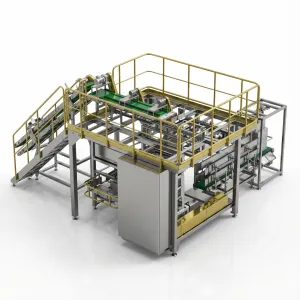
Single Hopper Secondary Packaging Machine for PP Woven Master Bag
Category: Secondary Packaging LineBrowse number: 424Number:Release time: 2026-01-07 06:36:38- To peck pouches of grains and powders into pre-fomed bags accurate primany bag counting, beautitil master bag shaoe• PP master bag replnce carton box,sanw cost - To overcomes marnual and disordeny packaging - Interlocked with 2 sets of primary begging machines, 7x24 continuous proxduction, improve production effioency - It can be integrated with robot paletizing system to realize unmanned, automatic and intelligert production process
News
Category:
-
[News]Palletizing System for Automated End of Line Pallet Loading
2026-07-03 05:04:05 -
[News]Best Granular Heavy Duty Packaging Machine for Bulk Material...
2026-08-10 02:25:39 -
[News]Long Service Life of Heavy Duty Case Packing Equipment
2026-08-14 02:26:34
Case
Category:
No search results found!
Video
Category:
No search results found!
Download
Category:
No search results found!
Job
Category:
No search results found!
Featured Products
No search results found!


