




News

Best Granular Heavy Duty Packaging Machine for Bulk Materials
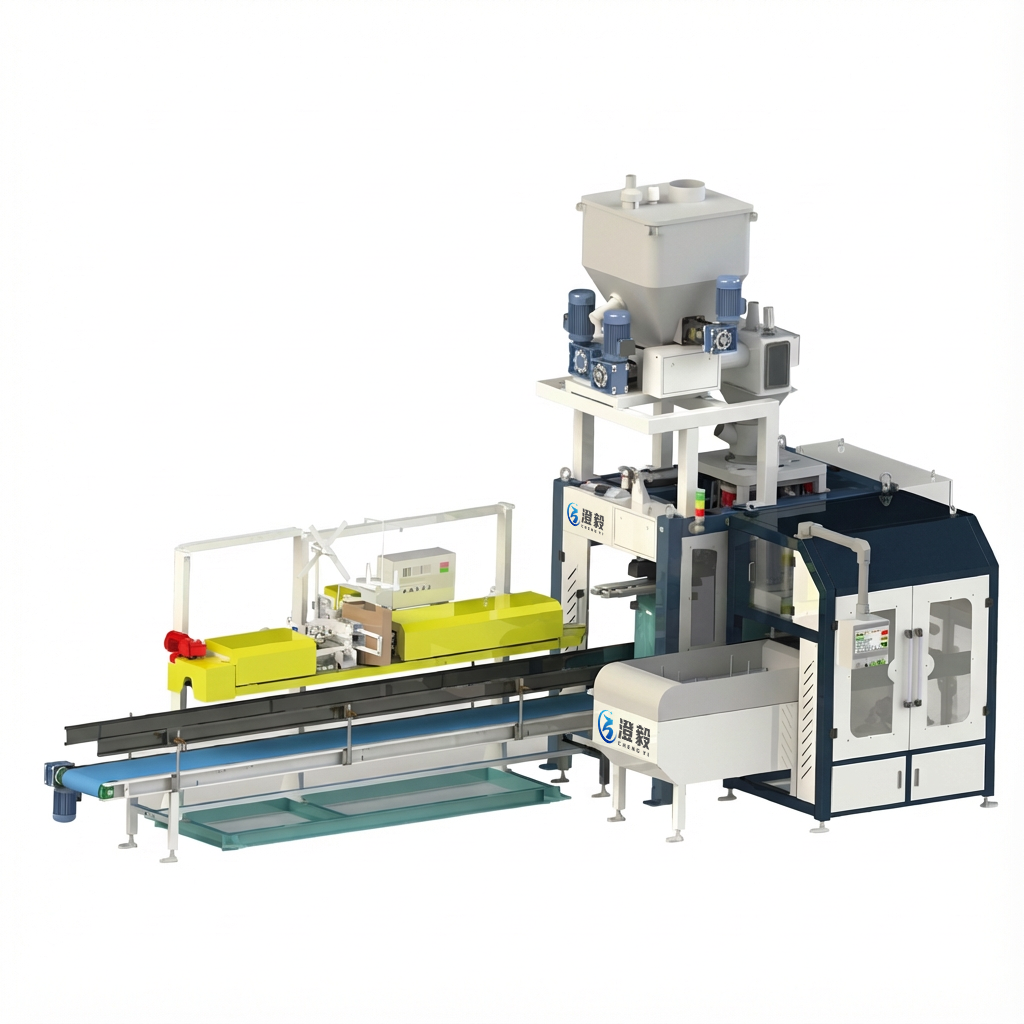
Best Granular Heavy Duty Packaging Machine for Bulk Materials: A Comprehensive Guide
In modern bulk material handling, efficiency, precision, and safety are non-negotiable for industries ranging from agriculture to mining, chemicals to food processing. The best granular heavy duty packaging machine for bulk materials addresses the unique challenges of packaging free-flowing or abrasive granular substances, built to withstand high-volume, heavy-load operations while maintaining accuracy and compliance. This guide breaks down core details to help businesses understand what makes these machines indispensable, how to evaluate them, and their impact on operational success.
---
Definition: What Is a Granular Heavy Duty Packaging Machine?
A granular heavy duty packaging machine is an industrial-grade system engineered to package bulk granular materials (such as grains, plastic pellets, or mineral aggregates) into sealed bags, containers, or big bags (FIBCs) at scale. Unlike standard packaging tools, these machines are constructed with robust components to handle the weight, abrasion, and dust common in bulk material environments. They integrate advanced weighing, dosing, and sealing mechanisms to ensure consistent product quantities, minimize waste, and reduce manual labor. The "heavy duty" designation distinguishes them from light-duty units, as they are designed for 24/7 operation in demanding settings with output capacities far exceeding semi-automatic alternatives.
---
Key Features to Look For in the Best Granular Heavy Duty Packaging Machine
Selecting the right machine depends on aligning features with your specific bulk material needs, production volume, and compliance requirements. Below are non-negotiable features of top-tier models:
1. High-Precision Weighing Systems
Accurate dosing is critical for bulk packaging, especially for cost-sensitive or regulated materials. The best machines use:
- Gravity-feed weighing: Ideal for free-flowing granules (e.g., rice, sugar) to ensure quick, precise filling.
- Volumetric or gravimetric options: For non-free-flowing or abrasive materials (e.g., plastic pellets, gravel), volumetric systems adjust for density variations, while gravimetric systems measure weight directly for ±0.1% to ±0.5% accuracy.
- Checkweighing integration: Built-in post-packing checks eliminate underfilled or overfilled bags, reducing compliance risks and material waste.
2. Heavy-Duty Construction
To withstand harsh environments, leading models use:
- Reinforced frame materials: Carbon steel with anti-corrosive coatings for outdoor or high-moisture settings, or food-grade stainless steel for edible materials.
- Abrasion-resistant components: Liners for product contact parts (e.g., hoppers, chutes) to extend lifespan when handling abrasive granules like sand or cement.
- Overload protection: Shuts down operations if the system exceeds weight limits, preventing damage to internal gears or motors.
3. Dust Containment & Collection Systems
Granular materials generate fine dust, which poses health risks for workers and compliance challenges for environmental regulations. Top machines include:
- Closed-loop dust capture: Sealed hoppers and filling nozzles that trap dust during packaging.
- HEPA filters: Remove 95%+ of airborne dust, meeting OSHA and EPA standards for air quality.
- Dust evacuation ports: Direct captured dust back into the product stream, minimizing material loss.
4. Versatile Bag Size Compatibility
The best machines adapt to diverse packaging needs, from small retail bags (10–50kg/22–110lbs) to large bulk bags (1000–2000kg/2200–4400lbs). This flexibility makes them suitable for businesses serving both local distributors and global industrial clients, eliminating the need for multiple packaging systems.
5. Automation & Control Features
Modern granular heavy duty packaging machines leverage automation to boost efficiency:
- PLC and HMI interfaces: Intuitive touchscreens let operators adjust settings, monitor production rates, and troubleshoot issues without specialized training.
- Conveyor integration: Compatible with existing material handling lines (e.g., belt conveyors, palletizers) for seamless end-to-end operations.
- Data logging: Tracks packaging volumes, weights, and downtime for performance analysis and compliance reporting.
6. Safety Compliance & Specialized Options
For industries with unique safety risks:
- Explosion-proof components: For flammable materials (e.g., chemical granules with low flashpoints) to prevent ignition from electrical sparks.
- Guarded moving parts: Enclosed gears, chains, and rotating components to reduce worker injury risks.
- Emergency stop buttons: Strategically placed for quick shutdowns in case of malfunctions.
---
Critical Advantages Over Standard Packaging Solutions
Investing in the best granular heavy duty packaging machine for bulk materials delivers tangible benefits compared to manual or semi-automatic alternatives:
1. Dramatically Higher Production Output
Manual packaging averages 20–50 bags per hour per worker, while top machines handle 200–800 bags per hour (depending on bag size). This scales production to meet seasonal demands (e.g., fertilizer season for agriculture) without hiring extra labor.
2. Reduced Operational Costs
By automating repetitive tasks, businesses cut labor costs by 50–70% (fewer workers needed, lower training expenses). Lower material waste (via dust capture and precise dosing) adds another 3–8% in annual savings, while reduced downtime from durable components means less repair and replacement expenses.
3. Consistent Product Quality
Uniform bag weights and sealed packaging ensure product integrity during storage and transit. This eliminates customer complaints about underfilled bags and reduces product degradation from exposure to moisture or contaminants—critical for industries like food or chemicals.
4. Improved Worker Safety
Manual packaging exposes workers to repetitive motion injuries, dust inhalation, and heavy lifting. Heavy duty packaging machines minimize these risks by automating lifting and filling, while dust collection systems prevent long-term respiratory issues. This reduces workers’ compensation claims and improves employee retention.
5. Regulatory Compliance
Leading machines are designed to meet global standards:
- FDA 21 CFR for food-grade materials.
- ATEX for explosive environments.
- ISO 9001 for quality management.
This avoids costly fines or production shutdowns from non-compliance.
---
Common Bulk Materials Compatible With These Machines
Granular heavy duty packaging machines are tailored to handle a wide range of bulk materials, with specialized adjustments for each:
- Agricultural: Grains (wheat, corn), seeds, fertilizers, animal feed pellets. Requires food-grade materials for edible feed.
- Mining & Construction: Sand, gravel, cement, iron ore pellets, crushed stone. Needs abrasion-resistant liners to withstand abrasive particles.
- Chemical & Industrial: Plastic resin pellets, polymer granules, industrial chemicals (e.g., sodium bicarbonate). May need explosion-proof designs for flammable chemicals.
- Food & Beverage: Sugar, salt, coffee beans, rice, instant coffee granules. Requires stainless steel components and non-toxic seals to prevent cross-contamination.
---
Detailed Specification Table: Typical Ranges for Best-in-Class Models
The table below outlines standard specifications for the best granular heavy duty packaging machine for bulk materials, helping businesses compare options:
| Spec Category | Typical Range | Key Notes |
|-------------------------------|--------------------------------|---------------------------------------------------------------------------|
| Bag Size Capacity | 10kg – 2000kg (22lbs – 4400lbs) | Covers small retail bags to large FIBC big bags for bulk transport. |
| Packaging Speed | 200 – 800 bags per hour | Higher speeds for smaller bags (10–50kg), lower for big bags. |
| Weighing Accuracy | ±0.1% – ±0.5% of target weight | Gravimetric systems offer higher accuracy for high-value materials. |
| Frame Material | Carbon steel (coated) or 304/316 stainless steel | Stainless steel for food/chemicals; coated steel for abrasive mining materials. |
| Power Consumption | 3kW – 10kW | Varies by machine size and automation level (PLC adds ~1kW). |
| Noise Level (Operational) | <85 dB | Meets OSHA workplace noise standards to protect workers’ hearing. |
| Dust Collection Efficiency | ≥95% | HEPA filters ensure compliance with air quality regulations. |
| Safety Certifications | CE, ISO, FDA (for food) | Ensure alignment with industry safety and quality requirements. |
| Material Compatibility | Free-flowing, semi-abrasive, abrasive granules | Adjust hopper/chute liners for specific material abrasiveness. |
---
Installation & Maintenance Best Practices to Maximize Lifespan
To get the most from your granular heavy duty packaging machine, follow these guidelines:
Installation Steps
1. Site Preparation: Ensure a level concrete floor (within 5mm per meter) to prevent alignment issues. Allocate 1–2 meters of clearance around the machine for operation and maintenance.
2. Utility Connection: Use dedicated power lines (avoid shared circuits) to prevent voltage fluctuations that damage electronics. Ensure proper ventilation to manage motor heat.
3. Integration: Align the machine with incoming conveyor systems to avoid material spillage during transfer. Test with dummy bags before full production to adjust speed and settings.
Maintenance Routine
- Daily: Wipe down product contact parts, inspect dust filters for clogs, and test emergency stop buttons.
- Weekly: Calibrate weighing systems using test weights, lubricate moving parts (gears, chains) as per manufacturer guidelines.
- Monthly: Inspect liners and seals for wear; replace damaged parts before they cause leaks or product contamination.
- Annually: Hire a professional technician to conduct a full system check, including motor performance, electrical wiring, and safety features.
---
Industry Applications: Where These Machines Make the Most Impact
Agriculture
For fertilizer and seed packaging, these machines handle high volumes during planting seasons, reducing labor costs and ensuring consistent bag weights for distributors. Dust capture systems also prevent fertilizer dust from harming farm workers.
Mining
Packing sand, gravel, and iron ore pellets requires machines built to withstand abrasive materials. Heavy-duty liners reduce wear, while big bag compatibility cuts down on transport costs for bulk mineral shipments.
Food Processing
Granular materials like sugar and rice demand FDA-approved stainless steel components to avoid cross-contamination. Precise weighing ensures retail bags meet label weights, reducing customer complaints and regulatory issues.
Chemical Manufacturing
For polymer and plastic resin pellets, explosion-proof options (for flammable materials) and dust collection systems ensure worker safety. Versatile bag sizes support both small industrial orders and large bulk shipments.
---
Future Trends in Granular Heavy Duty Packaging
The next generation of these machines is evolving to meet changing industry demands:
1. AI-Powered Predictive Maintenance: Sensors monitor component wear and alert operators to potential issues before they cause downtime.
2. IoT Integration: Real-time data tracking of production rates, material usage, and maintenance needs for remote monitoring.
3. Modular Designs: Quick-change parts to adapt to different granular materials without full machine overhauls.
4. Sustainability Focus: Energy-efficient motors and recyclable materials to reduce operational carbon footprints.
---
Conclusion
The best granular heavy duty packaging machine for bulk materials is more than just a production tool—it’s a strategic investment that boosts efficiency, reduces costs, ensures safety, and maintains compliance. By prioritizing features like precision weighing, heavy-duty construction, dust control, and automation, businesses can select a machine tailored to their specific material and operational needs. Whether in agriculture, mining, chemicals, or food processing, these systems transform bulk material handling from a labor-intensive process into a scalable, consistent, and profitable operation. For businesses looking to stay competitive in today’s fast-paced market, choosing the right granular heavy duty packaging machine is a critical step toward long-term success.
(Word count: ~2,850)
 Baolan Group Industrial Park, Zhangdian District, Zibo City, Shandong Province Branch Offices: Hefei / Xinjiang / Shanghai Processing Bases: Zibo / Hefei
 +86 15156080266
 emocnn@163.com
© Copyright: 2026 Shandong Chengyi Intelligent Equipment Co., Ltd. All Rights Reserved.

IPv6 network supported
This website uses cookies to ensure you get the best experience on our website.


Comment
(0)