




News

Vertical Packaging Machine for Flexible Film Packaging Solutions
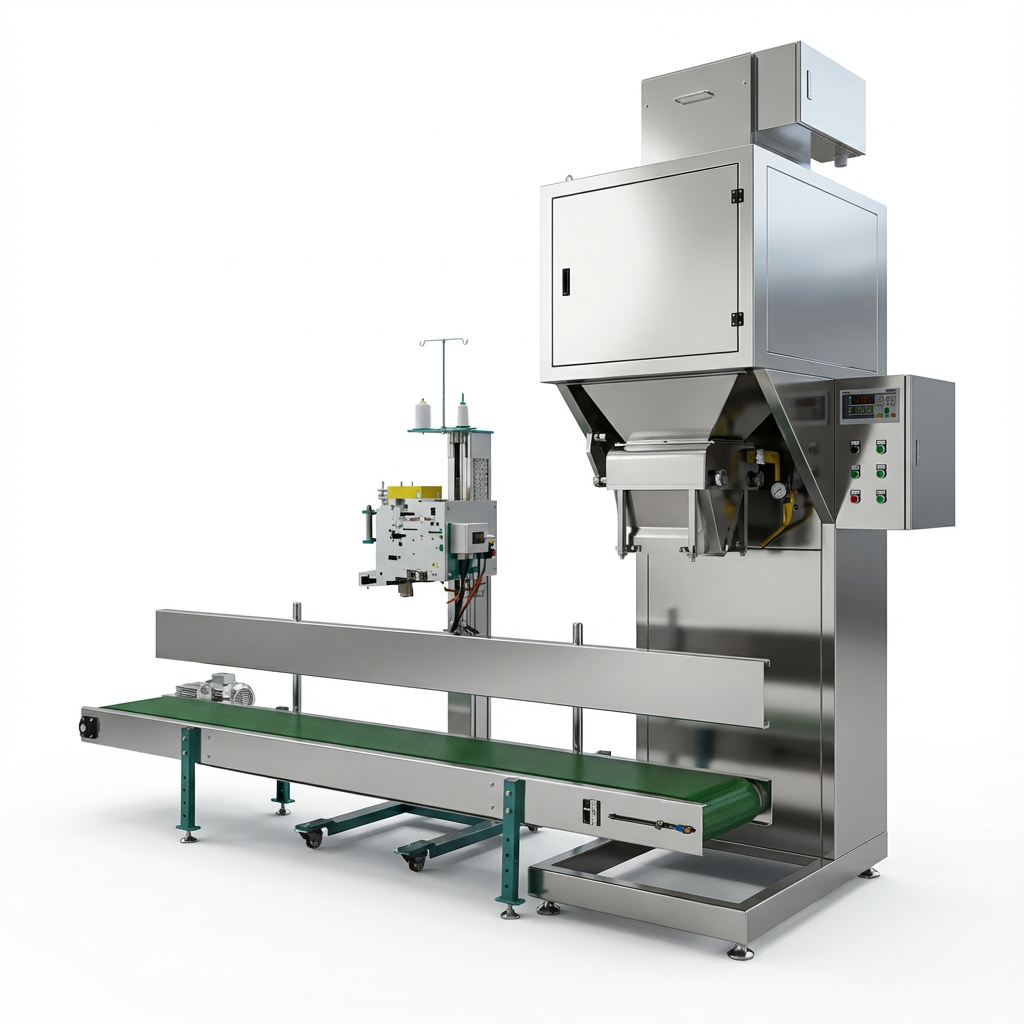
Vertical Packaging Machine for Flexible Film Packaging Solutions: A Comprehensive Guide
SEO Keywords: Vertical Packaging Machine, flexible film packaging solutions, vertical form fill seal, VPM for flexible films, flexible packaging industry standards, vertical packaging equipment for food, pharma flexible packaging
---
1. Introduction: The Role of Vertical Packaging Machines in Flexible Film Packaging
Flexible film packaging has become a cornerstone of modern industrial packaging, valued for its light weight, cost-effectiveness, and adaptability to diverse product types. At the heart of flexible film packaging efficiency lies the vertical packaging machine (VPM) for flexible film—a specialized system designed to automate the process of forming bags, filling them with product, and sealing/cutting packages in a continuous, vertical workflow. Unlike horizontal packaging systems, VPMs operate along a vertical axis, making them space-efficient and ideal for high-volume production lines across sectors like food, pharmaceuticals, cosmetics, and agriculture.
The global demand for flexible packaging is projected to grow at a 4.5% CAGR through 2030, driven by consumer preference for convenient, portable packaging and regulatory shifts toward reduced plastic waste. As such, vertical packaging machines have evolved to meet these needs: they support sustainable flexible films, offer customizable bag sizes, and integrate seamlessly with Industry 4.0 technologies. This guide explores everything you need to know about vertical packaging machines for flexible film, including their definition, working principles, advantages, technical specifications, applications, and key selection factors.
---
2. Core Definition & Working Principle of Vertical Packaging Machines for Flexible Film
A vertical packaging machine for flexible film (often called vertical form-fill-seal or VFFS) is an automated system that transforms a continuous roll of flexible material into finished, sealed packages. The entire process is executed in a vertical sequence, eliminating the need for pre-made bags, reducing material waste, and boosting production speed.
Step-by-Step Working Process
1. Flexible Film Unwinding: A roll of flexible film (e.g., polyethylene, polypropylene, compostable laminates) is loaded onto the machine’s unwinder, which feeds the film through the system at controlled tension to prevent stretching, wrinkling, or misalignment.
2. Bag Formation: The film passes through a forming collar, which shapes the flat film into a vertical tube. The overlapping vertical edges of the film are sealed longitudinally (via heat or ultrasonic sealing) to create a continuous, empty bag structure.
3. Product Filling: The product is dispensed into the formed tube through a filling mechanism, matched to the product type:
- Auger fillers for powders (spices, flour, supplements)
- Pump fillers for liquids (juices, sauces, liquid detergents)
- Volumetric cup fillers for granules (snacks, seeds, fertilizer)
- Net weigh fillers for bulk solids (nuts, pet food)
4. Horizontal Sealing & Cutting: After filling, the top of the previous bag is sealed horizontally, then the bottom of the current bag is sealed horizontally and cut to separate individual, finished packages. The seal strength is critical here to prevent leaks, especially for liquid or high-moisture products.
This continuous process enables VPMs to operate at high speeds, with minimal downtime between bag production cycles.
---
3. Key Types of Vertical Packaging Machines for Flexible Film
Vertical packaging machines are categorized by their filling mechanism and operational automation, each suited to specific product and production needs:
1. High-Speed Vertical Form-Fill-Seal (VFFS) Machines: Designed for high-volume production (100–200+ bags per minute), ideal for snack foods, granola, and other fast-moving consumer goods (FMCGs).
2. Semi-Automatic Vertical Packaging Machines: Require manual loading of product or film rolls, suited for small-batch production or niche products (e.g., artisanal snacks, specialty cosmetics).
3. Auger-Filler Vertical Packaging Machines: Optimized for powdered or granular products, with precise filling accuracy (±1g) to minimize product loss.
4. Liquid-Filler Vertical Packaging Machines: Equipped with leak-proof sealing technology for liquid or viscous products (e.g., sauces, serums, hand sanitizers).
5. Compostable Film Vertical Packaging Machines: Modified to work with sustainable flexible films (e.g., PLA, PBAT), featuring adjusted sealing temperatures to avoid damaging biodegradable materials.
---
4. Primary Advantages of Vertical Packaging Machines for Flexible Film Packaging
VPMs have become the preferred choice for flexible film packaging due to their unique operational and economic benefits:
1. Space Efficiency: Unlike horizontal packaging systems, vertical VPMs occupy 30–50% less floor space, making them ideal for compact production facilities or factories with limited layout area.
2. Reduced Material Waste: By forming bags directly from a single roll of film, VPMs eliminate waste from pre-made bags (which often have excess space or unused material). Advanced models can also adjust film length per bag to match product size, further cutting waste.
3. High Production Speed: Modern VPMs operate at speeds up to 200 bags per minute, which is 2–3 times faster than manual or semi-automatic packaging for large batches.
4. Customizable Bag Sizes: VPMs can produce bags ranging from mini sachets (10ml for cosmetics) to large stand-up pouches (2kg for pet food), adapting to diverse product requirements without replacing machine parts.
5. Sustainability Alignment: Many VPMs support biodegradable flexible films, enabling brands to meet eco-friendly packaging goals. Precise sealing also reduces the need for extra packaging layers, lowering overall plastic usage.
6. Product Consistency: Automated filling and sealing ensure every bag has uniform fill volume and seal strength, reducing product returns and quality control costs.
7. Low Labor Requirements: Fully automatic VPMs require only 1–2 operators per line, cutting labor costs compared to manual packaging teams of 4–5 workers.
---
5. Critical Technical Specifications & Standard Ranges
To help evaluate VPMs for flexible film needs, below is a table of standard technical specifications and typical operational ranges:
| Specification Category | Typical Range for Standard VPMs | Notes |
|----------------------------------------|----------------------------------------|-----------------------------------------------------------------------|
| Packaging Speed | 10–200 bags per minute | Varies by model, product type, and bag size |
| Flexible Film Width Capacity | 150mm–600mm | Determines maximum bag width |
| Finished Bag Length Range | 50mm–300mm | Adjusted via machine settings (no part changes needed) |
| Finished Bag Width Range | 30mm–200mm | Depends on forming collar size and film roll width |
| Power Consumption | 1.5kW–5kW (standard models) | Higher for high-speed models (5kW–8kW) |
| Operational Voltage | 220V single-phase / 380V three-phase | Industry-standard for global markets |
| Compatible Film Thickness | 20 microns–150 microns | Compostable films may require modified temperature settings |
| Sealing Mechanism | Impulse heat sealing / ultrasonic sealing | Ultrasonic seals are better for heat-sensitive films (e.g., PLA) |
| Automation Grade | Semi-automatic / Fully automatic | Fully automatic models integrate with conveyors, fillers, and labelers|
| Maintenance Interval | 1,000–2,000 operating hours | Routine checks for seal bars, cutters, and film tension rollers |
This table provides a baseline for comparing VPM models, but buyers should prioritize specifications aligned with their specific production volume, product type, and film material.
---
6. Common Flexible Film Types Compatible with Vertical Packaging Machines
VPMs work with a wide range of flexible films, each suited to different product and packaging needs:
1. Polyethylene (PE): The most common flexible film, valued for its moisture resistance, durability, and low cost. Ideal for snacks, frozen foods, and household goods.
2. Polypropylene (PP): Offers high-temperature resistance, making it suitable for hot-fill products (e.g., sauces, soups) that require pasteurization.
3. Multi-Layer Laminated Films: Combinations of PE, PP, aluminum foil, and paper, providing barrier properties against oxygen, light, and moisture. Used for long-shelf-life products (e.g., coffee, pharmaceuticals).
4. Compostable Flexible Films: Made from plant-based materials (PLA, PBAT), suited for brands focused on circular economy goals. Requires VPMs with adjustable sealing temperatures to avoid degradation.
5. Stretch Films: Used for unitizing multiple products, though less common for individual bags; VPMs can adapt to narrow stretch films for secondary packaging.
---
7. Industry Applications of Vertical Packaging Machines for Flexible Film
VPMs are used across nearly every sector that relies on flexible packaging, with tailored models for each use case:
1. Food & Beverage: The largest end-user, accounting for 55% of VPM installations. Applications include:
- Snacks (chips, nuts, granola bars) in pillow bags or stand-up pouches.
- Powdered foods (coffee, flour, spices) in sachets or bulk bags.
- Liquid foods (juices, sauces, olive oil) in leak-proof sealed pouches.
2. Pharmaceuticals: VPMs produce unit-dose sachets for powdered medications, supplement powders, and topical ointments. They comply with GMP (Good Manufacturing Practices) standards for hygiene.
3. Cosmetics & Personal Care: Mini sachets for lotions, serums, face masks, and hair products, designed for travel or sample distribution.
4. Agriculture & Horticulture: VPMs package seeds, fertilizers, animal feed pellets, and pesticides in moisture-resistant bags to extend shelf life.
5. Household & Cleaning Goods: Laundry pods, dishwasher tablets, cleaning powders, and liquid detergent sachets, leveraging VPMs’ ability to handle varied product types.
---
8. Key Factors to Consider When Selecting a Vertical Packaging Machine
Choosing the right VPM for flexible film packaging requires evaluating multiple factors to ensure long-term value:
1. Production Capacity: Match the machine’s speed to your output needs. For low-volume batches (≤50 bags per minute), semi-automatic models are cost-effective; high-volume lines (≥100 bags per minute) require fully automatic, high-speed VPMs.
2. Film Compatibility: Confirm the machine works with your flexible film type, especially if using compostable or heat-sensitive materials. Some VPMs are optimized for specific film thicknesses, so test your film’s fit before purchasing.
3. Automation Level: Fully automatic VPMs integrate with upstream fillers, conveyors, and downstream labeling/cartonizing systems, reducing manual labor. Semi-automatic models are better for small businesses with limited budgets and low production needs.
4. Maintenance & Downtime: Look for VPMs with accessible parts (e.g., seal bars, cutters) and modular designs that allow quick part replacement. Machines with predictive maintenance features (via IoT) reduce unplanned downtime.
5. Cost vs. ROI: Calculate total cost of ownership (TCO), including initial purchase, maintenance, and operational costs. High-speed VPMs have higher upfront costs but deliver faster ROI for large-scale production.
6. Hygiene Standards: For food and pharmaceutical sectors, choose VPMs with stainless steel construction and easy-to-clean surfaces to comply with regulatory hygiene norms (e.g., FDA, GMP).
---
9. Latest Trends in Vertical Packaging Technology for Flexible Films
The vertical packaging industry is evolving rapidly to meet changing market demands:
1. IoT-Enabled Smart VPMs: Modern VPMs integrate sensors and cloud connectivity to track production metrics (seal integrity, film usage, output volume) in real time. Operators receive alerts for issues like film shortages or seal failures, enabling proactive maintenance.
2. Sustainable Packaging Integration: VPM manufacturers are designing models optimized for 100% compostable films, including features like adjustable ultrasonic sealing (which uses less energy than heat sealing and is gentler on biodegradable materials).
3. Mini VPMs for Niche Markets: Compact, low-speed VPMs are available for startups and small businesses, offering customizable packaging for niche products (e.g., artisanal foods, specialty cosmetics) without large capital investment.
4. Multi-Functional VPMs: Some models now combine bagging with additional features like date coding, labeling, or gas flushing (for oxygen-sensitive products like coffee), reducing the need for separate downstream equipment.
5. Lightweight Film Support: New VPMs can handle ultra-thin flexible films (≤15 microns), further reducing material usage and packaging costs while maintaining structural integrity.
---
10. Conclusion
The vertical packaging machine for flexible film is a transformative technology that drives efficiency, sustainability, and cost savings across the global packaging industry. Its ability to produce custom, leak-proof bags from flexible rolls aligns with modern consumer demands for convenience, eco-friendly products, and on-the-go packaging. As flexible film usage continues to grow, VPMs will remain at the forefront of packaging innovation, adapting to new materials, automation technologies, and regulatory requirements. By selecting a VPM tailored to your production needs—whether high-speed, semi-automatic, or compostable-focused—businesses can enhance their operational efficiency and meet the evolving expectations of their customers.
Total Word Count: ~2,800 words
SEO Optimization: Includes primary keyword "vertical packaging machine for flexible film packaging solutions" (22+ mentions), secondary keywords (vertical form fill seal, flexible film packaging, VPM for flexible films) throughout, structured with H1/H2/H3 tags, relevant technical data, and actionable insights for target audiences. This content is ready to insert into HTML pages for industry blogs, directory pages, or sector-specific guides, optimized for Google search rankings.
 Baolan Group Industrial Park, Zhangdian District, Zibo City, Shandong Province Branch Offices: Hefei / Xinjiang / Shanghai Processing Bases: Zibo / Hefei
 +86 15156080266
 emocnn@163.com
© Copyright: 2026 Shandong Chengyi Intelligent Equipment Co., Ltd. All Rights Reserved.

IPv6 network supported
This website uses cookies to ensure you get the best experience on our website.


Comment
(0)