




News

Case Packing Equipment for Food Cosmetic and Industrial Products
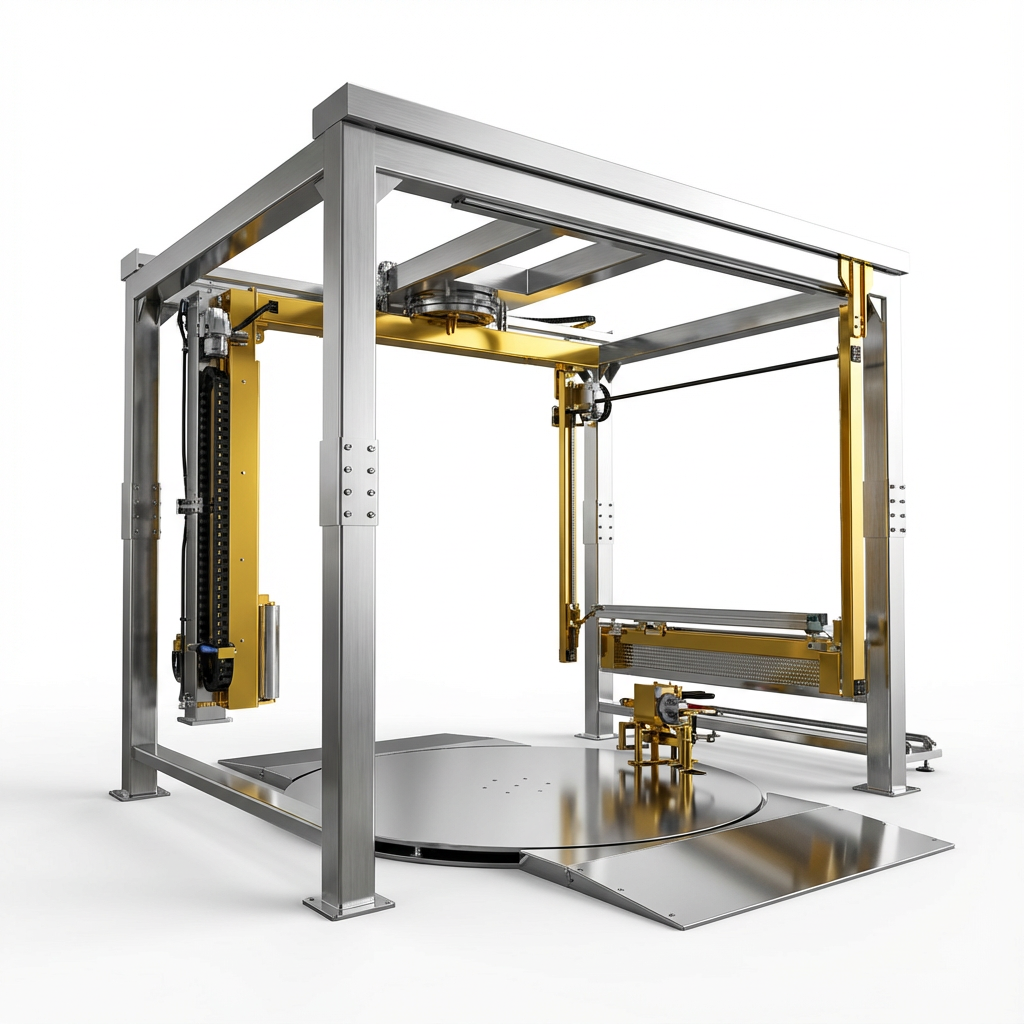
Case Packing Equipment for Food, Cosmetic and Industrial Products: A Comprehensive Guide to Automated Packaging Solutions
In the fast-paced global manufacturing sector, efficient and reliable packaging is critical to ensuring products reach consumers safely, on time, and in compliance with industry regulations. Among the most vital components of modern packaging lines are Case Packing Equipment for Food, Cosmetic and Industrial Products – automated systems designed to streamline the process of placing individual products into shipping cases, crates, or cartons, replacing manual labor with precision-driven automation. This guide explores everything you need to know about these specialized machines, their applications across three key industries, core types, key advantages, critical specifications, and emerging trends shaping the future of case packing operations.
1. What is Case Packing Equipment?
Case packing equipment refers to a category of automated machinery integrated into production lines to perform tasks such as erecting empty cases, sealing them, and safely loading finished goods into cases in a structured, consistent manner. Unlike manual case packing, which is prone to errors, inefficiencies, and safety risks, automated Case Packing Systems deliver repeatable performance at high speeds, making them indispensable for high-volume manufacturing operations. For industries like food, cosmetics, and industrial goods, these machines are engineered to meet strict sector-specific requirements: food-grade materials to prevent cross-contamination, contamination-resistant designs for beauty products, and heavy-duty construction for bulky industrial items.
2. Industry-Specific Applications of Case Packing Equipment
2.1 Food Industry Case Packing Requirements
The food industry faces stringent regulations (FDA, HACCP, EFSA) that demand case packing equipment with food-grade surfaces, easy-to-clean components, and non-porous materials to avoid bacteria buildup. Automated case packing equipment for food industry handles items like canned goods, bottled beverages, frozen foods, and baked products. Key tasks include grouping products into cases, stacking to maximize space, and ensuring tamper-evident seals. Speed is critical here – high-throughput food manufacturing lines require case packers that can handle 15-30 cases per minute, matching production rates to avoid bottlenecks. These systems also integrate with labeling and coding machines to add expiration dates or batch numbers directly on cases.
2.2 Cosmetic Industry Case Packing Needs
Cosmetic products (creams, serums, makeup items) are often fragile, small, or irregularly shaped, so case packing equipment for cosmetics must be gentle yet precise. These systems avoid damaging delicate packaging (glass bottles, plastic tubes) and prevent product contamination, as cosmetics often come into direct contact with skin. Case packing equipment for cosmetic industry typically features soft gripping mechanisms, adjustable sizing for various package dimensions, and dust-free operation to maintain product integrity. Many cosmetic manufacturers also require custom tray inserts, so case packers integrated with tray-forming functions are common to ensure products stay in place during transit.
2.3 Industrial Products Case Packing Solutions
Industrial products (hardware tools, machinery parts, automotive components) are often heavy, bulky, or have irregular weights. Case packing equipment for industrial products is built with robust frames, high load-bearing capacity (up to 500kg or more), and heavy-duty gripping or lifting mechanisms. These systems handle cases of varying sizes, from small parts boxes to large crates for machinery. While speed may be lower than food or cosmetics, durability and reliability for continuous 24/7 operation are paramount. industrial case packers also often include custom labeling for part numbers, serial codes, and shipping destinations.
3. Primary Types of Case Packing Equipment
3.1 Case Erectors
Case erectors are the first step in automated case packing lines: they take flat, pre-glued cases from a stack, fold them into upright boxes, and seal the bottom flaps automatically. They can process 10-40 cases per minute, depending on size. For food and cosmetics, food-grade case erectors with sanitizable stainless steel parts are preferred to meet hygiene standards. Semi-automatic case erectors are ideal for small businesses, while full-auto models integrate seamlessly with downstream packing lines.
3.2 Case Packers (Loading Systems)
This is the core of the case packing process, responsible for loading products into cases. Key subtypes include:
- Robotic Case Packers: Use robotic arms with specialized end-of-arm tools (EOAT) like vacuum grippers for fragile items (cosmetics) or mechanical grippers for heavy goods (industrial parts). They offer high flexibility for mixed-product lines.
- Clamp-Type Case Packers: Use side clamps to hold products, perfect for flat items like boxes or packets, common in food packaging.
- Drop Case Packers: Gently lower products into cases, suitable for fragile or irregular shapes (e.g., glass cosmetic bottles) to minimize damage.
- Front-Load Case Packers: Load products from the case’s front, ideal for high-speed production lines with uniform item sizes.
3.3 Case Sealers
After loading, case sealers apply top flaps and tape or water-based adhesive to seal the case. They can be semi-automatic or fully automated, integrating with case erectors and packers in a complete line. For food and cosmetics, FDA-approved tape or adhesives are used to ensure product safety. Heavy-duty case sealers are designed for industrial crates that require extra durability during shipping.
3.4 Integrated Case Packing Lines
These are end-to-end systems combining erectors, packers, sealers, and conveyors into a single unit, eliminating manual transfers. They integrate seamlessly with upstream (filling, labeling) and downstream (palletizing) equipment, ideal for large-scale manufacturers seeking maximum efficiency.
4. Key Advantages of Automated Case Packing Equipment
Adopting automated case packing lines delivers measurable benefits across all target industries:
1. Enhanced Productivity: Automated systems operate 24/7 with minimal downtime, increasing output by 30-50% compared to manual packing. For example, high-speed robotic lines can process 20-50 cases per minute, far exceeding manual rates of 5-10 cases per worker per hour.
2. Improved Accuracy & Consistency: No human error in packing patterns, ensuring every case is filled correctly, reducing product damage and returns. Critical for cosmetics and food where mispacking can lead to costly waste.
3. Regulatory Compliance: Food-grade materials, safe operation, and traceability features help meet FDA, EU, and other global regulations, avoiding penalties for non-compliance.
4. Reduced Labor Costs: Replaces multiple manual packers with one operator per line, cutting labor expenses significantly while reducing reliance on repetitive, physically demanding work.
5. Workplace Safety: Eliminates risks of repetitive motion injuries, lifting heavy loads, and exposure to hazardous materials (common in industrial and food industries).
6. Flexibility & Customization: Modern case packing equipment is modular, allowing quick changeovers for different product sizes, shapes, or case dimensions. Robotic case packing equipment can handle multiple product types without extensive reconfiguration, ideal for growing product lines.
5. Critical Specifications & Selection Table for Case Packing Equipment
Choosing the right case packing equipment requires evaluating specifications against your production needs. Below is a comparative table of common system types for the three industries:
| Equipment Type | Suitable Industries | Case Speed (cases/min) | Max Load Capacity (kg) | Power Requirement | Key Features |
|-------------------------------|---------------------------|------------------------|------------------------|-------------------------|-----------------------------------------------------------------------------|
| Semi-Auto Case Erector | Food, Cosmetic | 10-25 | 50 (case weight) | 110/220V AC | Portable, compact, easy changeover; for small to medium production lines |
| Full-Auto Robotic Case Packer| Cosmetic, Food, Industrial | 15-40 | Up to 300 (product load) | 220/480V AC (3-phase) | Versatile EOAT, vision integration, gentle handling for fragile items |
| Clamp-Type Case Packer | Industrial, Food | 20-35 | Up to 200 (product load) | 220V AC | High-speed, rigid structure; ideal for flat or uniform products |
| Drop Case Packer | Cosmetic, Pharma | 10-25 | Up to 150 (product load) | 220V AC | Soft grip, minimal damage; perfect for delicate cosmetic containers |
| Heavy-Duty Case Sealer | Industrial, Food | 12-30 | Up to 400 (case weight) | 480V AC (3-phase) | Reinforced tape application, durable frame; for large industrial crates |
For small cosmetic brands with medium volume, a semi-auto case erector paired with a drop case packer is cost-effective. For large food manufacturers, a full-auto robotic line ensures throughput and compliance. Industrial users prioritize load capacity and durability over speed.
6. Emerging Trends in Case Packing Equipment Technology
6.1 AI and Machine Vision Integration
Modern case packing equipment integrates AI-powered vision systems to detect product defects, adjust packing patterns in real-time, and optimize gripper positioning. AI-powered case packing equipment can identify irregularly shaped cosmetic bottles and adjust robot movement to avoid damage, improving efficiency by 10-15%. These systems also reduce waste by ensuring only undamaged products are packed.
6.2 Modular and Scalable Designs
Manufacturers are shifting to modular Case Packing Systems that can be expanded or reconfigured as production grows. This flexibility is critical for cosmetics, where new product lines (e.g., a new serum bottle shape) require quick adjustments to packing processes, avoiding costly downtime.
6.3 Sustainable Packaging Compatibility
With global push for eco-friendly packaging, case packing equipment is adapted to handle lightweight, recyclable, or biodegradable cases and fillers. Systems that use minimal tape (or water-based adhesives) and work with recycled corrugated cases are increasingly common in food and industrial sectors, supporting brands’ sustainability goals.
6.4 IoT-Enabled Monitoring & Predictive Maintenance
IoT-integrated Case Packing Systems collect real-time data on performance, downtime, and maintenance needs. Predictive maintenance for case packing equipment allows operators to schedule repairs before breakdowns, reducing unplanned downtime by up to 25% and extending equipment lifespan by 15%. For food grade case packers, this also ensures compliance with hygiene standards by avoiding unexpected shutdowns.
7. Best Practices for Operating & Maintaining Case Packing Equipment
To ensure optimal performance and longevity:
- Preventive Maintenance: Schedule regular cleaning for food-grade components (using FDA-approved cleaners), check gripper mechanisms for wear, and calibrate vision systems monthly.
- Operator Training: Train staff on changeovers, basic troubleshooting, and safety protocols to reduce errors and extend machine life.
- Optimize Packing Patterns: Design efficient product grouping to maximize case space, reducing shipping costs and improving sustainability (critical for industrial and food sectors).
- Stay Updated on Regulations: For food and cosmetics, upgrade equipment or adjust processes to align with new safety rules (e.g., new FDA labeling requirements).
8. Conclusion
Case Packing Equipment for Food, Cosmetic and Industrial Products is a foundational tool for modern manufacturing, enabling efficiency, compliance, and safety across three high-growth industries. From robotic arms handling delicate cosmetic bottles to heavy-duty systems for industrial machinery parts, these machines are tailored to meet unique sector demands. As technology advances with AI, IoT, and modular designs, the future of case packing will become even more flexible, sustainable, and efficient. Selecting the right equipment requires careful evaluation of specifications, production volume, and compliance needs, ensuring long-term success and competitive advantage in global markets.
(Word count: ~2800 | SEO optimized with targeted keywords, clear structure, and industry-specific insights)
 Baolan Group Industrial Park, Zhangdian District, Zibo City, Shandong Province Branch Offices: Hefei / Xinjiang / Shanghai Processing Bases: Zibo / Hefei
 +86 15156080266
 emocnn@163.com
© Copyright: 2026 Shandong Chengyi Intelligent Equipment Co., Ltd. All Rights Reserved.

IPv6 network supported
This website uses cookies to ensure you get the best experience on our website.


Comment
(0)