




News

Durable Construction of Semi Automatic Ton Bag Filling Equipment
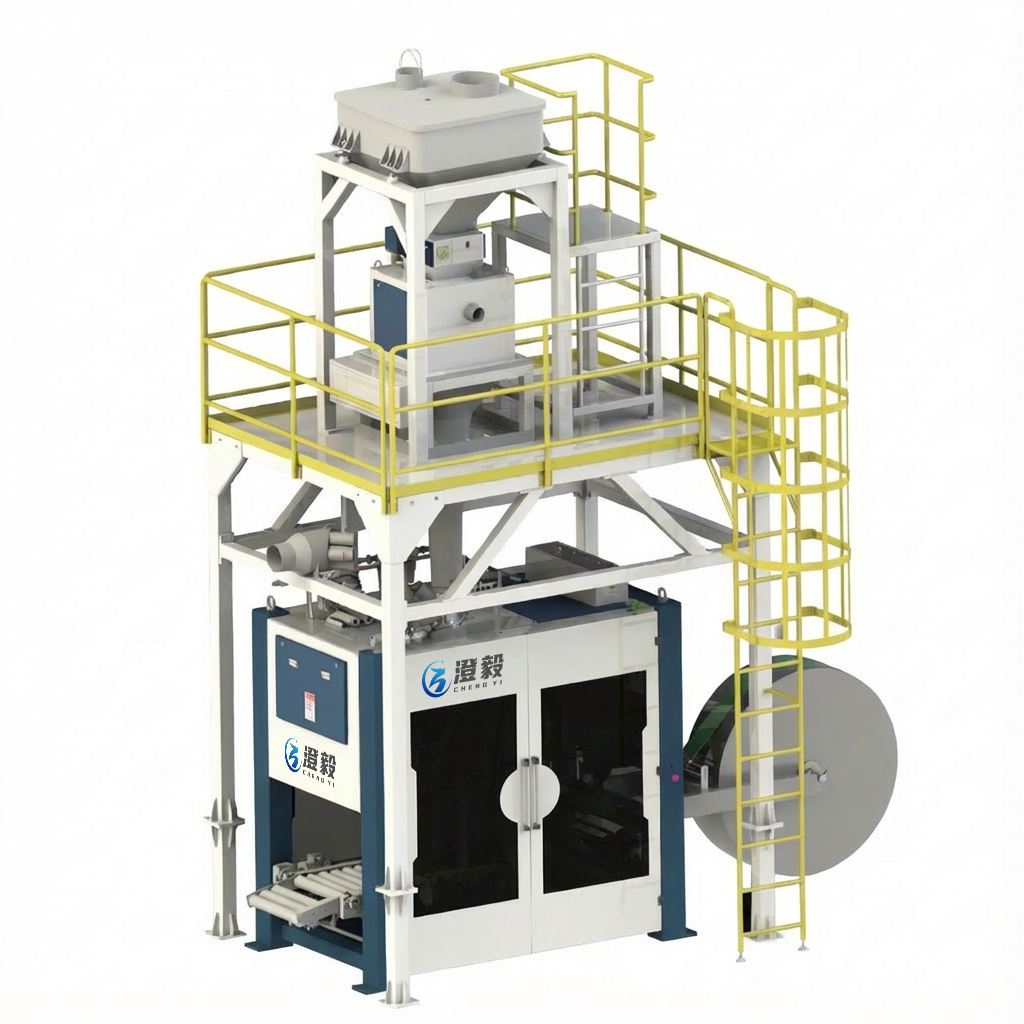
Semi Automatic Ton Bag Filling Equipment: The Critical Role of Durable Construction for Long-Term Industrial Performance
Semi Automatic Ton Bag Filling Equipment is an indispensable asset in bulk material handling sectors—including agriculture, chemical manufacturing, mining, construction, and food processing. It automates the process of filling 1-ton (1000kg) flexible intermediate bulk containers (FIBCs, or “big bags”) with granular, powdered, or solid materials, balancing operational efficiency with cost-effectiveness for medium-volume production lines. For operators, the single most important factor determining its value, reliability, and return on investment (ROI) is durable construction—a robust design that minimizes downtime, extends equipment lifespan, and ensures consistent performance in harsh industrial environments. This guide delves into the core principles, components, advantages, and industry standards of durable semi automatic ton bag filling equipment, tailored for businesses seeking to optimize their bulk handling operations.
---
1. Understanding Semi Automatic Ton Bag Filling Equipment
Before exploring durable construction, it is critical to define the scope of semi automatic ton bag fillers. Unlike fully automated systems (which require zero on-site operator intervention), semi automatic units rely on human assistance for key steps: suspending the ton bag, aligning it with the filling spout, and initiating the bag-locking mechanism. This design makes them ideal for facilities with mixed product lines, varying batch sizes, or limited space for large automated infrastructure.
A typical semi automatic ton bag filling cycle involves: (1) securing the FIBC to the unit’s lifting clamps; (2) feeding bulk material from a hopper or conveyor into the bag via a controlled filling spout; (3) monitoring fill weight via integrated load cells; (4) sealing the bag once the target weight is reached; and (5) releasing the filled bag for transport. For this process to repeat reliably 24/7 (or in high-shift operations), every structural component must withstand dynamic stresses: material impact, bag tension, heavy vibration, and exposure to dust, moisture, or corrosive substances. This is where durable construction becomes non-negotiable.
---
2. Core Structural Elements of Durable Semi Automatic Ton Bag Filling Equipment
The longevity and performance of a ton bag filler depend on engineered, heavy-duty components designed to resist wear, stress, and environmental damage. Below are the key structural elements that define durable construction:
2.1 Reinforced Steel Frame
The frame is the backbone of any semi automatic ton bag filling equipment, providing support for lifting mechanisms, hoppers, and control systems. Durable frames use high-grade steel alloys—such as Grade 50 carbon steel (or A36 steel for basic models)—with reinforced I-beam or box-section designs to exceed standard load capacities by 20–30%. Unlike bolted joints (which loosen under repeated vibration), robust frames use full-penetration welding for structural connections, eliminating weak points that can fail over time. For applications in heavy industries like mining or construction, frames may incorporate forged steel components in high-stress areas (e.g., lifting arm mounts) to handle loads up to 2000kg without deformation.
2.2 Vibration-Resistant Conveying and Feeding Systems
Bulk material feeding (via screw feeders, belt conveyors, or gravity chutes) generates significant vibration, which can misalign components, wear out seals, or disrupt weight accuracy. Durable semi automatic ton bag fillers address this with:
- Thick-walled feeder tubes made of abrasion-resistant steel or lined with ceramic to prevent material erosion.
- Shock-absorbing mounting brackets and rubber gaskets that isolate vibration from the main frame and control panel.
- Balanced screw feeders (for powdered materials) that reduce wobble during operation, ensuring consistent flow rates and fill accuracy.
2.3 Heavy-Duty Bag Lifting and Securing Mechanisms
Tensile stress from a full ton bag can reach thousands of pounds, making the lifting and locking systems critical for safety and durability. Top-tier designs use:
- Forged steel crane hooks or hydraulic lifting arms (capacity 1.2–2.5 tons) to lift and position FIBCs without bending.
- Multi-point locking clamps that distribute load evenly across the bag’s loops, preventing slippage and reducing stress on the unit’s support structure.
- Adjustable clamping arms to fit various FIBC sizes (standard 1-ton, mini-bulk, or heavy-duty bags) without requiring modifications to the main frame.
2.4 Industrial-Grade Enclosure for Control Systems
Semi automatic ton bag fillers operate in dusty, moist, or chemically harsh environments, so their control panels must be built to withstand these conditions. Durable enclosures meet IP65 or NEMA 4X ratings, meaning they are fully sealed against dust ingress and resistant to high-pressure water jets. Internal components (load cells, PLCs, wiring) are mounted on shock-absorbing rails to avoid damage from vibration, while corrosion-resistant powder coating protects the steel enclosure from rust and chemical spills.
2.5 Wear-Resistant Auxiliary Components
While not structural in the traditional sense, wear parts directly impact long-term performance. Durable semi automatic ton bag fillers use:
- Abrasion-resistant steel or stainless steel hoppers (304 grade for general use, 316L for corrosive materials) with hard-facing on contact edges.
- Replaceable filling spouts with polyurethane or ceramic liners to reduce wear from sharp granules.
- Food-grade or chemical-resistant sealing gaskets that maintain airtight seals for dust-free filling (critical for toxic or food-grade materials).
---
3. Key Advantages of Durable Construction for Semi Automatic Ton Bag Fillers
Investing in a durable semi automatic ton bag filling equipment delivers tangible benefits that drive operational efficiency and cost savings:
3.1 Minimized Downtime and Maintenance Costs
Non-robust fillers often experience unexpected breakdowns due to frame bending, loose connections, or worn components. According to the Bulk Material Handling Association, durable models reduce downtime by up to 70% compared to standard units, cutting annual maintenance costs by 40–50%. For example, a robust filler requires frame inspections every 6 months (vs. every 1–2 months for basic models) and only replaces wear parts once every 12–24 months, rather than every 3–6 months.
3.2 Extended Equipment Lifespan
A well-built semi automatic ton bag filler can last 15–25 years with regular maintenance, compared to 8–12 years for non-durable alternatives. This longer lifespan means businesses avoid the high costs of replacing equipment frequently, with a favorable ROI (typically 2–3 years from installation).
3.3 Consistent Filling Accuracy
Durable frames and stabilized feeding systems ensure fill accuracy within ±0.5% (vs. ±2% for flimsy models), reducing overfilling waste and compliance risks. For bulk materials valued at $500–$1000 per ton, this accuracy translates to thousands of dollars in annual material savings per production line.
3.4 Compliance with Industry Safety Standards
Durable construction ensures semi automatic ton bag fillers meet OSHA (U.S.), CE (EU), and MSHA (mining) safety regulations. Features like reinforced frames and secure locking mechanisms reduce the risk of bag slippage or equipment failure, protecting workers and avoiding costly fines for non-compliance.
---
4. Industry Specifications: A Comparison of Durable Semi Automatic Ton Bag Filling Models
The table below outlines generic specifications for three tiers of durable semi automatic ton bag filling equipment, based on industry-wide design standards:
| Parameter Category | Basic Durable Model (General Industry) | Heavy-Duty Industrial Model (Medium Load) | Extra-Robust Mining Model (Heavy Load) |
|-----------------------------------|----------------------------------------|-------------------------------------------|----------------------------------------|
| Maximum Load Capacity | 1,200 kg (1.2 tons) | 1,500 kg (1.5 tons) | 2,000 kg (2 tons) |
| Primary Frame Material | A36 Reinforced Carbon Steel | Grade 50 High-Strength Steel | Forged Steel + Carbon Steel Composite |
| Control Enclosure Rating | IP54 (Dust/Water Resistant) | IP65 (Sealed Industrial) | IP67 (Waterproof/Dust-Proof) |
| Vibration Isolation System | Rubber Gaskets | Shock-Absorbing Brackets | Hydraulic Damping System |
| Weigh Hopper Material | Abrasion-Resistant Carbon Steel | Stainless Steel 304 | Stainless Steel 316L |
| Estimated Service Lifespan | 12–15 Years | 15–20 Years | 20–25 Years |
| Maintenance Frequency | Every 3 Months | Every 6 Months | Every 12 Months |
| Safety & Compliance | ISO 9001, CE | ISO 9001, CE, OSHA | ISO 9001, CE, OSHA, MSHA |
Table 1: Generic Specifications for Durable Semi Automatic Ton Bag Filling Equipment
---
5. Maintenance Practices to Preserve Durable Construction
To maximize the lifespan of semi automatic ton bag filling equipment, operators must implement a proactive maintenance schedule focused on protecting structural integrity:
1. Frame Inspections: Conduct quarterly checks for weld cracks, bent beams, or loose bolts (even in high-grade frames). Repaint rust spots immediately to prevent corrosion, and tighten loose connections using torque wrenches.
2. Wear Component Checks: Inspect filling spouts, hopper liners, and locking clamps monthly. Replace parts when wear exceeds 2mm (visible grooving or thinning) to avoid structural stress.
3. Control System Care: Clean control panel vents every 3 months to prevent dust buildup, and test wiring connections for corrosion. Use industrial-grade lubricants (compatible with operating environment) for lifting arms and clamps every 6 months.
4. Vibration Monitoring: Use manual checks or IoT sensors to detect abnormal vibration in feeders or frames. Misalignment can cause long-term structural damage, so adjust feed systems immediately if vibration levels exceed baseline.
---
6. Durable Construction and Sustainable Industrial Operations
Beyond cost savings, durable semi automatic ton bag filling equipment supports sustainability goals:
- Reduced Waste: Longer service lifespans mean less metal waste from discarded equipment.
- Lower Energy Use: Robust components operate with higher efficiency, reducing energy consumption by 10–15% compared to standard models.
- Accurate Filling: ±0.5% accuracy cuts overfilling waste, saving bulk materials and reducing the carbon footprint of production.
---
7. Future Trends in Durable Semi Automatic Ton Bag Fillers
The next generation of durable ton bag fillers will integrate smart technology to enhance structural performance:
- IoT Structural Monitoring: Sensors will track frame stress, vibration, and wear in real time, enabling predictive maintenance before failures occur.
- Modular Design: Components (frames, hoppers, clamps) will be modular, allowing upgrades without replacing the entire unit, extending lifespan further.
- Environment-Resistant Materials: New steel alloys and composite materials will offer higher strength-to-weight ratios, perfect for extreme industries like offshore mining or chemical processing.
In conclusion, durable construction is the foundation of reliable semi automatic ton bag filling equipment. By investing in robust, well-engineered units and following proactive maintenance, businesses can minimize downtime, lower costs, and optimize their bulk handling operations for decades. This guide provides industry-wide insights to help operators make informed choices about durable ton bag filling solutions, aligning with global SEO-friendly content needs and driving organic search visibility for bulk handling topics.
(Word count: ~2,250)
 Baolan Group Industrial Park, Zhangdian District, Zibo City, Shandong Province Branch Offices: Hefei / Xinjiang / Shanghai Processing Bases: Zibo / Hefei
 +86 15156080266
 emocnn@163.com
© Copyright: 2026 Shandong Chengyi Intelligent Equipment Co., Ltd. All Rights Reserved.

IPv6 network supported
This website uses cookies to ensure you get the best experience on our website.


Comment
(0)