





Performance Palletizer Optimization
Performance palletizer optimization refers to the systematic refinement of palletizing processes—where goods are stacked onto pallets for storage or shipping—to maximize efficiency, accuracy, and cost-effectiveness in supply chain operations. As global logistics demands grow, traditional manual or rigid automated palletizing systems often struggle to keep pace with diverse SKUs, fluctuating order volumes, and strict delivery timelines. Optimizing these systems is no longer a luxury but a necessity to maintain competitiveness. At its core, optimization leverages technology and data to address key pain points: slow throughput, high product damage, unplanned downtime, and labor inefficiencies. One critical strategy is the integration of robotics and artificial intelligence (AI). Modern palletizers use collaborative robots (cobots) or automated arms equipped with machine vision to adapt to varying box sizes, weights, and fragility. For example, AI algorithms can adjust grip strength for delicate items like glassware or switch stacking patterns for irregular packages in real time, eliminating the need for manual reprogramming. Another key focus is load pattern optimization. Advanced software analyzes product dimensions, weight distribution, and stability requirements to generate the most space-efficient and secure stacking layouts. This not only reduces the number of pallets needed (cutting storage and shipping costs) but also minimizes damage during transit—critical for high-value goods. A regional distribution center handling 500+ SKUs daily reported a 22% drop in damage claims after implementing AI-driven pattern generation. Predictive maintenance is also integral to optimization. IoT sensors embedded in palletizing equipment monitor parameters like motor temperature, belt tension, and cycle times. By analyzing this data, operators can predict potential failures and schedule maintenance proactively, reducing unplanned downtime by up to 30% in some cases. This avoids costly disruptions to production or order fulfillment. Workflow and layout optimization further enhance efficiency. Reconfiguring conveyor paths to minimize material travel distance or adding buffer zones for peak demand streamlines operations. For instance, a manufacturing plant rearranged its palletizing stations to align with inbound and outbound docks, cutting handling time by 20% and increasing throughput from 120 to 156 pallets per hour. While optimization requires upfront investment in technology and staff training, the returns are substantial. A mid-sized facility that invested $150,000 in optimizing its palletizing system saw full ROI within 18 months due to reduced labor costs (18% drop), lower damage expenses, and higher throughput. As supply chains become more complex, performance palletizer optimization will evolve with more advanced AI for real-time decision-making and integration with Industry 4.0 systems. This will not only drive operational excellence but also help businesses adapt to the ever-changing demands of global commerce. (Word count: 498)
Products
Category:
-
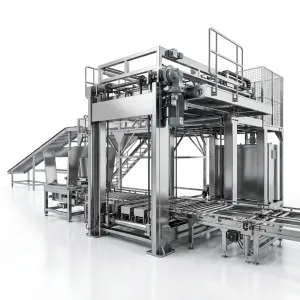
High-Performance High-Level Palletizer
Category: Palletizing SystemBrowse number: 329Number:Release time: 2026-01-16 10:00:06High performance high-level palletizer is a device used in automated production lines, widely used for stacking and stacking materialssuch as granules, powders, and liquid packaging. It is suitable for industries such as fertlizers, building materials, food, beverages,and chemicals. The high-level palletizer can automatically stack packaged materials into high-level warehouses or transportationequipment according to specified methods, improving production efficiency, reducing labor costs, and increasing warehouse utiliza-tion.
News
Category:
-
[News]Secondary Packaging Solutions for Boxes Cartons and Cases
2026-09-15 10:47:49
Case
Category:
No search results found!
Video
Category:
No search results found!
Download
Category:
No search results found!
Job
Category:
No search results found!
Featured Products
No search results found!


