





High Purity New Energy Materials Industry Materials for novel energy cell R&D
Your query refers to high-purity materials critical for advanced (novel) energy cells (likely next-generation systems beyond traditional lithium-ion, such as solid-state lithium metal batteries, sodium-ion batteries, redox flow batteries, etc.—the "R" may be a typo referencing R&D or a specific cell variant). These materials are foundational to improving energy density, cycle life, and safety of novel energy systems, with strict purity requirements to avoid performance degradation from trace impurities. Core High-Purity Materials for Novel Energy Cells1. Cathode Materials High-nickel (Ni ≥90%) lithium-based cathodes (for Li-metal/next-gen Li-ion), sodium transition metal oxides, and Prussian blue analogs (for sodium-ion cells) require ≥99.99% purity. Trace impurities (Fe, Cu, Na) increase self-discharge and reduce cycle lifespan, so many producers target 99.995% purity for high-performance applications.2. Anode Materials - Lithium-metal anodes: Ultra-high purity Li foil (≥99.999%) to prevent dendrite formation, a critical barrier for commercializing Li-metal cells. - Silicon-based anodes (Si nanoparticles, nanowires): High purity (low oxygen <1%) to avoid structural degradation during charging. - Hard carbon (for sodium-ion cells): 99.9% purity to ensure consistent sodiation/desodiation behavior.3. Electrolyte Materials - Liquid electrolytes: High-purity lithium salts (LiFSI, LiTFSI, LiPF₆) with water/impurity content <10ppm, critical for ionic conductivity and stability. - Solid electrolytes (for all-solid-state batteries): Ceramic electrolytes (LLZO, garnet-type) and sulfide electrolytes, requiring ≥99.99% purity and minimal defects to enable fast ion transfer.4. Separator Materials Modified polymer (PE/PP) separators or ceramic-coated separators use high-purity alumina/zirconia nanoparticles (≥99.9%) to prevent short circuits and improve thermal stability. Industry ContextThe high-purity new energy materials segment is a high-margin, specialized part of the global supply chain, distinct from commodity battery materials. Key drivers include: - Rising demand for solid-state batteries (projected 30% CAGR through 2030) and sodium-ion batteries for grid storage and EVs. - Strict purity standards for gigafactory-grade materials, with leading players (Umicore, Targray, SOLVAY, Neohygear) investing in scalable ultra-purification technologies (recrystallization, atomic layer deposition, distillation). Key Challenges & Trends- Scaling: Many advanced high-purity materials (e.g., sulfide electrolytes) are currently lab-scale; large-scale production to meet gigafactory demand remains a barrier. - Cost Balance: Ultra-purification adds 20–50% to material costs, requiring process innovations to reduce expenses while maintaining purity. - Circular High-Purity Materials: Recycling novel cells to recover high-purity components (e.g., Li, Co, Si) is emerging as a sustainable solution to reduce virgin material reliance.
Products
Category:
-
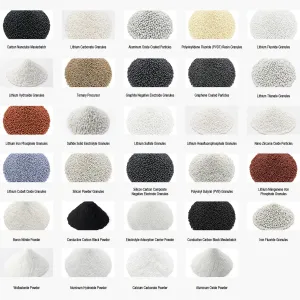
High Purity New Energy Materials Industry Materials for Energy Cell R&D
Category: New Energy Materials IndustryBrowse number: 68Number:Release time: 2026-10-22 15:42:57We supply high-purity new energy materials for energy cell R&D. Made in controlled environments with low impurities for reliable lab tests and formula verification.
News
Category:
No search results found!
Case
Category:
No search results found!
Video
Category:
No search results found!
Download
Category:
No search results found!
Job
Category:
No search results found!
Featured Products
No search results found!


