





High Purity New Energy Materials Industry Materials for Energy Cell R&D
High purity new energy materials are foundational to the performance, safety, and longevity of energy cells (primarily lithium-ion batteries, solid-state batteries, and emerging next-gen energy storage systems). Impurities—even trace amounts—can cause side reactions, degrade electrode/electrolyte stability, increase impedance, and trigger safety hazards (e.g., thermal runaway). Below is a breakdown of key high-purity materials for energy cells, their roles, and critical purity requirements: 1. Cathode MaterialsCathodes define a cell’s energy density and safety:- Lithium Iron Phosphate (LFP): Uses ultra-pure FePO₄ precursors and Li₂CO₃ (purity ≥99.95% for industrial use, ≥99.99% for automotive EVs). Impurities (heavy metals like Pb/Cd, alkali metals Na/K) cause self-discharge and reduce cycle life.- NMC/NCA (Nickel-Manganese-Cobalt/Aluminum Oxides): Derived from high-purity Ni, Co, Mn salts (purity ≥99.99% for raw materials). Impurities (Fe, Cu) accelerate oxygen release during charging, undermining thermal stability.- Solid-State Cathodes (next-gen): Sulfide/oxide cathodes (e.g., LNMO) require 99.99%+ purity to eliminate impurity phases that block ionic conductivity. 2. Anode MaterialsAnodes determine charge rate and cycle life:- Graphite Anodes: Natural/synthetic graphite with carbon purity ≥99.9% (ash content <0.05%). Impurities (SiO₂, Fe) disrupt the solid electrolyte interphase (SEI) layer, increasing impedance.- Silicon Anodes (high-capacity): Ultra-pure Si nanoparticles (≥99.999% purity). Surface oxides/contaminants worsen volume expansion (400% during charging) and reduce cycle stability.- Lithium Metal Anodes (solid-state): 99.999%+ pure Li to prevent dendrite formation, which short-circuits cells. 3. Electrolyte MaterialsElectrolytes enable ion transport; purity is non-negotiable:- Liquid Electrolytes: Lithium salts (LiPF₆, LiFSI) and solvents (carbonates) with water content <20 ppm and metal ion impurities <1 ppm. Water reacts with LiPF₆ to form harmful HF, corroding electrodes.- Solid/Gel Electrolytes: Polymers (PEO, PVDF) and ceramic electrolytes (LLZO, garnet) with ≥99.99% purity. Impurities in LLZO (e.g., Na, Fe) lower ionic conductivity, critical for solid-state cells. 4. Supporting Components- Separator Coatings: High-purity Al₂O₃/boehmite (≥99.9%) to improve thermal stability and avoid pore blockage.- Current Collectors: Cu (anode) and Al (cathode) foils (≥99.9% purity) to prevent corrosion and ensure electrical conductivity. Key Trends- Ultra-Purification Tech: Zone refining, continuous crystallization, and CVD are used to achieve 99.999%+ purity for next-gen materials.- Domestic Supply Chains: Governments (US, EU, China) are investing in local high-purity material production to reduce reliance on imports.- Solid-State Batteries: Demand for even higher purity materials to enable high energy density and long cycle life (current solid electrolytes require minimal trace impurities to function effectively).Overall, high purity is a core driver of advancing energy cell performance—balancing cost, capacity, and safety for commercial and grid-scale applications.
Products
Category:
-
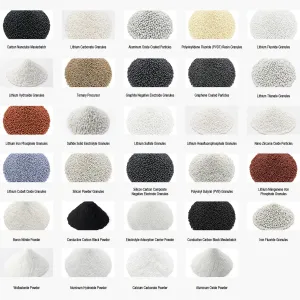
High Purity New Energy Materials Industry Materials for Energy Cell R&D
Category: New Energy Materials IndustryBrowse number: 68Number:Release time: 2026-10-22 15:42:57We supply high-purity new energy materials for energy cell R&D. Made in controlled environments with low impurities for reliable lab tests and formula verification.
News
Category:
No search results found!
Case
Category:
No search results found!
Video
Category:
No search results found!
Download
Category:
No search results found!
Job
Category:
No search results found!
Featured Products
No search results found!


