




News

Maintenance Guide for Semi Automatic Ton Bag Filling Machines
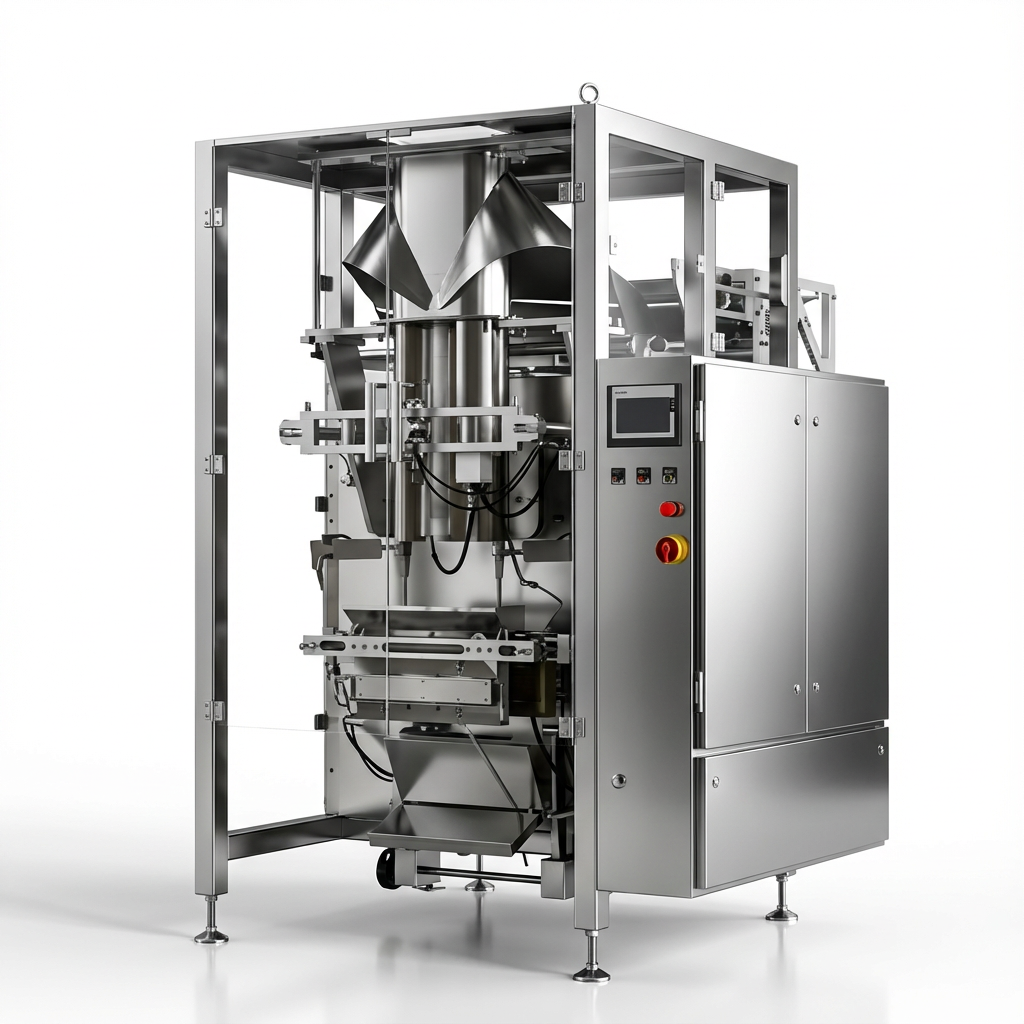
Maintenance Guide for Semi Automatic ton bag filling machines: Boost Efficiency and Longevity
In industries ranging from agriculture, mining, chemical processing, food production to construction, semi-automatic ton bag filling machines (also called semi-automatic FIBC filling machines) are critical for bulk material handling. These equipment balance manual oversight and automated processes to simplify filling Flexible Intermediate Bulk Containers (FIBCs, commonly referred to as ton bags) with powders, granules, pellets, or other dry bulk materials. However, like all industrial machinery, semi-automatic ton bag fillers require consistent, targeted maintenance to avoid unplanned downtime, preserve fill accuracy, extend operational life, and ensure workplace safety. This comprehensive guide covers core definitions, key components, step-by-step maintenance schedules, troubleshooting tips, industry-standard specifications, and best practices to help teams optimize their ton bag filling operations.
---
What is a Semi-Automatic ton bag filling machine?
A semi-automatic ton bag filling machine is a specialized industrial tool designed to fill large, flexible bulk containers (1-ton to 2-ton capacity FIBCs) with precise amounts of dry bulk materials. Unlike fully automatic fillers that require no manual input beyond loading empty bags, semi-automatic units need minimal human intervention: operators attach the ton bag to the fill head, initiate the fill cycle via a control panel, and remove the filled bag once the process completes. This design makes them ideal for mid-sized production lines where automation is not yet feasible, offering a balance of cost-efficiency and flexibility. They are used across sectors to handle materials like cement, fertilizer, plastic resins, grain, and mineral ores, reducing manual labor and minimizing material waste compared to manual filling methods.
---
Core Components of Semi-Automatic Ton Bag Filling Machines
To perform effective maintenance, it is essential to understand the key parts of these machines and their roles:
1. Fill Head: The central discharge point where bulk material flows into the ton bag. It includes seals, nozzles, and sometimes vibrators to prevent clogs during filling.
2. Bag Clamping System: Uses pneumatic actuators or mechanical grips to secure the ton bag’s neck during filling, eliminating spills that cause material waste or safety hazards.
3. Control Panel: Typically features a digital PLC (Programmable Logic Controller) or manual switches to set fill weights, adjust cycle times, and monitor machine performance.
4. Weighing System: Relies on precision load cells to measure the exact weight of material in each ton bag, ensuring accuracy and reducing over/under-filling costs.
5. Dust Extraction System: Integrated or external system that captures airborne dust generated during filling, complying with OSHA and ISO workplace safety standards.
6. Conveyor System (Optional): Transports empty ton bags to the fill station and moves filled bags to storage/shipping, streamlining workflow.
7. Power & Pneumatic Systems: Provide energy for clamps, actuators, and control circuits; require regular checks to avoid pressure drops or electrical faults.
---
Step-by-Step Maintenance Schedule for Semi-Automatic Ton Bag Filling Machines
Maintenance must follow a structured, routine schedule to catch issues early and avoid costly breakdowns. Below is a tiered schedule aligned with operational needs:
Daily Maintenance (After Each Production Shift)
Daily checks ensure small issues are addressed before they escalate:
- Clean the Fill Head: Disassemble the discharge nozzle to remove residual material that hardens overnight, causing clogs. Use soft tools (avoid metal scrapers that scratch seals) and non-corrosive solvents for sticky materials.
- Inspect for Leaks: Check pneumatic lines, hydraulic seals (if equipped), and material connections for air or material leaks. Leaks reduce fill accuracy and waste resources.
- Verify Clamping Pressure: Ensure the ton bag neck is securely held; low pressure causes slippage during high-speed filling, leading to spills. Adjust pressure regulators if needed.
- Quick Weigh Accuracy Check: Place a standard test weight (e.g., 500kg) on the fill head to confirm readings match the known weight; deviations indicate calibration needs.
- Clean Dust Extraction Filters: Wipe or lightly vacuum filters to remove surface dust, preventing clogs that reduce suction power.
- Log Anomalies: Document unusual noises, error codes, or performance gaps in a maintenance log for future reference.
Weekly Maintenance
Weekly tasks focus on lubrication, component tightness, and safety checks:
- Lubricate Moving Parts: Apply manufacturer-recommended lubricants to clamp hinges, conveyor rollers, and gearboxes to reduce friction and wear. Use only compatible oils to avoid seal damage.
- Tighten All Connections: Inspect electrical wires, pneumatic fittings, and structural bolts; tighten any loose parts to prevent electrical faults or component misalignment.
- Test Safety Features: Activate emergency stop buttons, guardrails, and interlocks to confirm they function correctly—critical for worker safety.
- Inspect Wear Parts: Examine O-rings, seals, and grippers for cracks or wear; replace damaged parts immediately to prevent leaks or bag slippage.
- Clean Machine Exteriors: Wipe down the entire machine to remove dust and debris that can accumulate in crevices and affect internal components.
Monthly Maintenance
Monthly tasks focus on calibration and deep component checks:
- Calibrate Weighing System: Use NIST-traceable weights to fully calibrate load cells; ensure accuracy is within ±0.5% of target weight. This eliminates costly material waste from over/under-filling.
- Inspect Pneumatic Components: Test valves, actuators, and pressure regulators for wear; replace worn parts to maintain consistent pressure.
- Evaluate Conveyor Belts (If Equipped): Check belt tension and alignment; adjust or replace belts with frayed edges to avoid downtime.
- Clean Control Panel Vents: Remove dust from control panel vents to prevent overheating of electronic components, which can cause error codes.
Quarterly Maintenance
Quarterly tasks include structural checks and cycle performance audits:
- Deep Lubrication: Perform a full lubrication of gearboxes and bearings, following the manufacturer’s interval for oil changes.
- Inspect Structural Integrity: Check welds, frame supports, and foundations for corrosion or damage; repair or reinforce as needed to prevent machine instability.
- Test Full Fill Cycles: Run 3–5 fill cycles with different material types to ensure consistent cycle time, fill speed, and clamping performance. Adjust PLC settings if cycles are delayed or inconsistent.
- Replace Filters: Replace dust extraction filters (even if they appear clean) to maintain optimal suction and compliance with safety standards.
Annual Maintenance
Annual tasks focus on overhauls and performance optimization:
- Full Component Disassembly: Disassemble the fill head, clamping system, and conveyor to deep clean internal parts, removing built-up residue that cannot be accessed during routine checks.
- Replace All Worn Parts: O-rings, seals, bearings, belts, and filters that have reached their operational lifespan should be replaced with original manufacturer parts to avoid compatibility issues.
- Electrical System Inspection: Hire a certified electrician to inspect wiring, circuit breakers, and power connections; ensure compliance with local electrical safety codes.
- Update Control Software: Install latest firmware for the PLC to fix bugs, improve cycle accuracy, and add new features.
- Performance Audit: Measure machine uptime, fill accuracy, and cycle time against industry benchmarks; identify gaps (e.g., 10% slower cycle time) and adjust maintenance schedules to address them.
---
Key Benefits of Proper Maintenance
Consistent maintenance of semi-automatic ton bag filling machines delivers tangible business value:
1. Reduced Downtime: Unplanned downtime costs industrial operations $1,000–$10,000 per hour; proactive maintenance reduces breakdown risks by up to 70% (per Bulk Solids Handling Association data).
2. Extended Lifespan: Well-maintained machines operate efficiently for 8–12 years, compared to 3–5 years for neglected units, delivering a higher return on investment.
3. Enhanced Accuracy: Proper calibration ensures fill accuracy within ±0.5%, eliminating overfilling waste (up to 2% of production) and underfilling revenue losses.
4. Improved Safety: Routine checks of dust extraction, emergency stops, and clamping systems reduce workplace accidents, compliance penalties, and health risks from dust inhalation.
5. Lower Operational Costs: Reduced repair bills, less material waste, and fewer downtime-related production losses add up to 15–20% lower annual operating costs for bulk filling operations.
---
Common Troubleshooting Tips for Semi-Automatic Ton Bag Fillers
Even with proper maintenance, minor issues may arise. Below are solutions to frequent problems:
| Issue | Root Cause | Fix |
|-------|------------|-----|
| Inaccurate fill weights | Uncalibrated load cells, loose connections, worn seals | Calibrate weighing system; tighten load cell connections; replace worn seals |
| Ton bag slippage during filling | Low clamping pressure, worn grippers, dirty bag neck | Adjust clamping pressure; replace worn grippers; clean bag neck before attaching |
| Excessive dust emissions | Clogged filters, faulty extraction system, loose fill head seal | Clean/replace filters; test suction power; replace fill head seal |
| Unusual noises during operation | Unlubricated bearings, loose bolts, worn conveyor parts | Lubricate moving parts; tighten loose bolts; replace worn conveyor components |
| Slow fill cycle | Partially blocked fill head, low pneumatic pressure, incorrect PLC settings | Clear fill head blockage; check air compressor pressure; adjust PLC speed settings |
| PLC error codes (e.g., pressure drop) | Clogged pneumatic filter, faulty valve, low air tank level | Clean pneumatic filter; test valves; refill air compressor tank |
---
Industry-Standard Specifications for Semi-Automatic Ton Bag Filling Machines
Below is a table of general industry specifications for semi-automatic ton bag filling machines, used for comparison and purchasing decisions:
| Specification | General Industry Value Range | Notes |
|---------------|--------------------------------|-------|
| Maximum Fill Capacity | 500 kg to 2,000 kg per bag | Custom capacities up to 3,000 kg available for heavy materials |
| Compatible Bag Size | 1-ton to 2-ton FIBCs | Adjustable neck fittings for different bag brands |
| Weighing Accuracy | ±0.25% to ±0.5% of target weight | Calibrated using NIST-traceable weights for regulatory compliance |
| Average Cycle Time | 2 to 5 minutes per bag | Depends on material flow rate and bag size; faster cycles for free-flowing granules |
| Power Requirement | 380V–480V AC, 3-phase | Single-phase units available for small-scale operations |
| Pneumatic Pressure | 6 to 8 bar (87 to 116 PSI) | Consistent pressure is critical for clamping and fill speed |
| Dust Extraction Rate | 1,000 to 2,500 CFM | Meets OSHA limits for dust exposure in most industrial sectors |
| Machine Weight (Standard Unit) | 1,200 kg to 2,500 kg | Larger capacity units are heavier for stability during high-speed filling |
| Overall Dimensions (L×W×H) | 2,500 mm × 1,800 mm × 3,200 mm | Conveyor integration may increase length by 500–1,000 mm |
---
Best Practices for Maximizing Maintenance Efficiency
To ensure maintenance efforts are effective, follow these rules:
1. Adhere to Manufacturer Manuals: Each machine has unique maintenance requirements; always refer to the official manual for lubrication intervals, part specifications, and calibration steps.
2. Train Operators: Teach frontline teams to perform basic daily checks (e.g., filter cleaning, pressure verification) to catch issues early and reduce maintenance workload.
3. Maintain a Detailed Log: Track all maintenance tasks, repairs, and performance data to identify recurring issues (e.g., frequent seal replacements) and adjust maintenance schedules.
4. Use Original Replacement Parts: Generic parts may not fit or perform as well as OEM parts, leading to premature wear and more breakdowns.
5. Schedule Proactive Maintenance: Avoid reactive maintenance (fixing issues after they occur) by scheduling tasks during off-peak production hours, reducing downtime costs.
This guide provides a comprehensive, actionable framework for maintaining semi-automatic ton bag filling machines, ensuring reliable performance, safety, and long-term value for bulk material handling operations.
Previous page:
High Speed FFS Packaging Systems for Bulk ProductsNext page:
None Baolan Group Industrial Park, Zhangdian District, Zibo City, Shandong Province Branch Offices: Hefei / Xinjiang / Shanghai Processing Bases: Zibo / Hefei
 +86 15156080266
 emocnn@163.com
© Copyright: 2026 Shandong Chengyi Intelligent Equipment Co., Ltd. All Rights Reserved.

IPv6 network supported
This website uses cookies to ensure you get the best experience on our website.


Comment
(0)