




News

Increasing Warehouse Efficiency with Automated Palletizing Systems
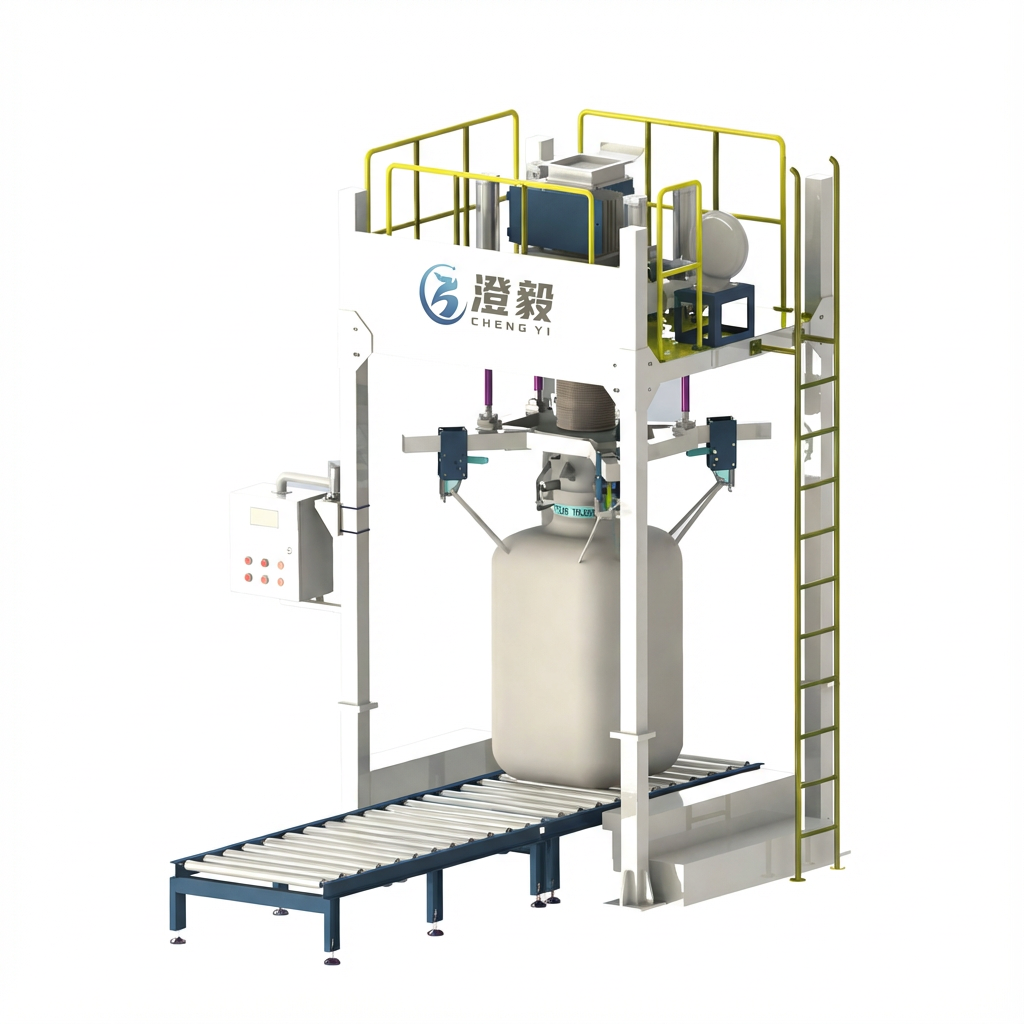
In today’s fast-paced supply chain landscape, warehouses face relentless pressure to boost productivity, reduce operational costs, and meet rising customer expectations for faster order fulfillment. One of the most impactful solutions driving these goals is the adoption of automated Palletizing Systems. For businesses struggling with manual labor shortages, inconsistent stacking, and throughput bottlenecks, automated palletizing offers a reliable way to streamline operations and gain a competitive edge. This article explores how automated Palletizing Systems increase warehouse efficiency, their core components, key benefits, and critical factors to consider when implementing them.
Automated palletizing systems are mechanized or robotic solutions designed to stack products, cases, or crates onto pallets in a consistent, high-speed manner, replacing manual palletizing processes. Unlike manual methods that rely on human workers to lift and arrange items, these systems use pre-programmed workflows, sensors, and robotic or gantry arms to handle palletization tasks. They can be customized to accommodate a wide range of product types, from small e-commerce parcels to heavy industrial goods, making them versatile for various warehouse sectors including food and beverage, retail, manufacturing, and logistics. A key advantage of these systems is their ability to operate 24/7 without significant breaks, which directly contributes to increased throughput and warehouse efficiency.
To understand how automated palletizing systems work, it’s important to break down their core components, each playing a vital role in ensuring reliable, efficient operation. 1. Pallet Conveyance Systems: These are conveyor belts or Automated Guided Vehicles (AGVs) that transport empty pallets to the palletizing station and move fully loaded pallets to storage or shipping areas. They ensure a continuous flow of pallets, eliminating delays between pallet loading cycles. 2. Product Infeed Systems: This component brings individual products or cases from upstream operations—such as production lines, order picking zones, or packaging stations—to the palletizing station. It ensures products are aligned and ready for stacking, often using sensors to check product size and orientation. 3. End Effectors: These are specialized tools attached to robotic arms that grip products. Common types include suction cups for smooth boxes, mechanical grippers for rigid items, and claw attachments for irregular shapes. The right end effector choice is critical for handling different product types safely. 4. Robot Controller: This is the brain of the system, programmed to execute palletizing patterns, adjust to product dimensions, and coordinate all components. Modern controllers integrate with Warehouse Management Systems (WMS) to sync palletization tasks with order data. 5. Safety Features: Automated palletizing systems include physical guards, safety sensors, and emergency stop mechanisms to protect workers from accidents, especially when collaborative robots (cobots) are used. 6. Integration Software: Software that connects the palletizing system to other warehouse technologies like WMS, Enterprise Resource Planning (ERP) systems, and conveyor networks. This integration ensures real-time data sharing, reduces errors, and aligns palletization with overall warehouse operations.
Implementing automated palletizing systems delivers multiple efficiency-focused benefits that address common warehouse pain points. Let’s explore the most impactful ones: 1. Dramatically Increased Throughput: Manual palletizing typically allows workers to stack between 300 and 500 cases per hour, while automated systems can handle 1,200 to 1,800 cases per hour—some high-speed models even exceed 2,000 cases per hour. This 2x to 4x increase in throughput means warehouses can process more orders in less time, meeting peak demand periods (like holiday seasons) without needing to hire temporary workers. 2. Reduced Labor Costs and Dependency: Labor is one of the largest expenses for warehouses, and manual palletizing is physically demanding, leading to high turnover rates. Automated systems cut down on the number of workers needed for palletizing tasks, reducing labor costs by up to 30% in many cases. Additionally, they eliminate reliance on scarce manual labor, which is a major challenge in the post-pandemic supply chain landscape. 3. Enhanced Pallet Load Stability: Manual palletizing often results in uneven stacking, leading to product damage during transit or handling. Automated systems follow precise stacking patterns, ensuring each layer is aligned correctly, which improves load stability. Studies show that automated palletizing reduces product damage rates by 20-40%, saving warehouses money on damaged goods and returns. 4. Improved Workplace Safety: Manual palletizing involves heavy lifting, twisting, and repetitive motions, which are responsible for a significant portion of warehouse injuries. The Occupational Safety and Health Administration (OSHA) reports that manual lifting contributes to nearly 30% of all musculoskeletal disorders in warehousing. Automated systems eliminate these risky tasks, reducing workplace incidents and associated workers’ compensation costs. 5. Optimal Floor Space Utilization: Modern automated palletizing systems are compact and can be integrated into existing warehouse layouts without requiring extensive renovations. High-density robotic palletizers can also stack pallets in smaller footprints compared to manual stations, freeing up space for other critical operations like storage or order picking. 6. Accurate Inventory Tracking: When automated palletizing systems are integrated with WMS, every pallet is tagged with real-time data, including product type, quantity, and location. This reduces human error in inventory tracking, ensuring accurate stock counts and minimizing discrepancies that can lead to order delays or lost sales.
The following table compares automated palletizing systems with manual palletizing processes across key metrics relevant to warehouse efficiency:
| Parameter | Manual Palletizing | Automated Palletizing |
|---|---|---|
| Throughput Rate (Cases per Hour) | 300–500 | 1,200–2,000+ |
| Labor Requirements (Full-Time Equivalents) | 2–3 per shift per station | 0.5–1 per 2–3 stations (for oversight/maintenance) |
| Product Damage Rate | 5–8% annually | 1–3% annually |
| Workplace Safety Incidents per Year (per station) | 4–6 | 0–1 (with cobots) or near-zero |
| Floor Space (sq ft per 1,000 cases stacked) | 25–35 | 10–18 |
| Flexibility to Handle Product Varieties | High (manual adjustment for most items) | Medium to High (adjustable end effectors for multiple product types) |
| Scalability to Meet Increased Order Volumes | Limited (requires adding more workers/stations) | High (additional robotic arms or conveyor modules can be integrated) |
To ensure you select the right automated palletizing system for your warehouse, evaluate these critical specifications: 1. System Type: The two most common types are robotic arm palletizers and gantry palletizers. Robotic arm palletizers are flexible, ideal for small to medium warehouses with diverse product lines. Gantry palletizers are faster and more suitable for high-volume, uniform products like beverage cases or canned goods. 2. Payload Capacity: This refers to the maximum weight a palletizer can handle per load. Payloads range from 50 lbs for small parcels to 2,000 lbs for heavy industrial goods. Choose a system that matches your typical product weights to avoid inefficiencies. 3. Cycle Time: Cycle time is how long it takes the system to stack a full pallet. Lower cycle times mean higher throughput. For example, a system with a 10-second cycle time per case will stack 36 cases per pallet in 6 minutes, contributing to faster operations. 4. Product Compatibility: Confirm the system can handle your product sizes, shapes, and packaging materials. For irregular items like bags or drums, look for systems with specialized end effectors or adjustable stacking patterns. 5. Integration Capabilities: Ensure the palletizing system can connect with your existing WMS, ERP, and conveyor systems. Seamless integration eliminates data silos and ensures smooth end-to-end warehouse operations. 6. Floor Space Requirements: Measure the available space in your warehouse before selecting a system. robotic palletizers typically need less space than gantry systems, making them suitable for compact facilities. 7. Energy Consumption: Modern automated systems are energy-efficient, but it’s still important to compare energy usage to avoid long-term operational costs. Look for systems with energy-saving modes for idle periods.
Implementing automated palletizing systems successfully requires careful planning and execution. Follow these best practices to maximize efficiency gains: 1. Conduct a Pre-Implementation Warehouse Audit: Before investing in an automated system, assess your current palletizing processes, product mix, throughput needs, and space constraints. Identify bottlenecks in manual operations to target where automation will have the most impact. 2. Match the System to Your Unique Needs: Avoid one-size-fits-all solutions. For example, e-commerce warehouses with small, variable parcels should choose robotic palletizers with flexible end effectors, while food processing facilities with uniform cases may benefit from high-speed gantry systems. 3. Integrate with Existing Technologies: Connect your automated palletizer to your WMS and other warehouse tools to ensure real-time data synchronization. This integration helps optimize stacking patterns based on order requirements, reduce shipping errors, and improve inventory accuracy. 4. Train Staff for Smooth Adoption: Automated systems require skilled operators and maintenance personnel. Provide comprehensive training to existing staff to help them adapt to new technologies. Involve frontline workers in the implementation process to address concerns and ensure buy-in. 5. Phase the Implementation: Instead of replacing all manual palletizing stations at once, start with a pilot program in one area of your warehouse. This allows you to test the system’s performance, adjust configurations, and train staff before scaling to other zones. 6. Schedule Regular Maintenance: Prevent unplanned downtime by implementing a proactive maintenance schedule. This includes routine checks of robotic arms, end effectors, conveyor belts, and software updates. Many modern systems come with remote monitoring tools that alert teams to potential issues before they cause delays.
While automated palletizing systems offer significant benefits, businesses may face a few challenges during adoption. Here’s how to address them: 1. High Initial Investment: The upfront cost of automated systems can be a barrier for small to mid-sized warehouses. Mitigate this by calculating the return on investment (ROI) — typically, most systems pay for themselves in 2–3 years through reduced labor costs and increased efficiency. Alternatively, consider leasing or financing options to spread costs over time. 2. Limited Flexibility for Highly Variable Products: Some older automated systems struggle with handling a wide range of product sizes. To overcome this, invest in modern systems with adjustable end effectors or collaborative robots (cobots) that can switch between tasks quickly. 3. Technical Downtime: Unplanned downtime due to system malfunctions can disrupt operations. Mitigate this by partnering with the system provider for reliable technical support, having spare parts on hand, and using remote monitoring to identify issues early. 4. Staff Resistance to Change: Workers may be wary of new technologies, fearing job loss or increased complexity. Address this by communicating how automation reallocates workers to higher-value tasks (like quality control or order picking) rather than replacing them, and provide ongoing support during the transition.
The field of automated palletizing is evolving rapidly, with new technologies set to further enhance warehouse efficiency. Key trends to watch include: 1. Collaborative Palletizing Robots (Cobots): Unlike traditional industrial robots, cobots can work safely alongside human workers without physical guards. This makes them ideal for small warehouses that need flexible, low-risk automation for variable product lines. 2. AI-Driven Stacking Optimization: Artificial intelligence (AI) and machine learning are being used to create optimal stacking patterns that maximize pallet space, reduce product damage, and adapt to real-time changes in product types. These AI systems continuously improve their performance over time, boosting long-term efficiency. 3. IoT-Powered Predictive Maintenance: Internet of Things (IoT) sensors installed in palletizing systems collect data on performance, wear and tear, and energy usage. This data is used to predict maintenance needs, reducing unplanned downtime and extending the lifespan of equipment. 4. Sustainable Palletizing Solutions: Automated systems are being designed with sustainability in mind, using energy-efficient components, optimized stacking to reduce product waste, and materials that are easy to recycle. This aligns with the growing demand for eco-friendly warehouse operations.
Increasing Warehouse Efficiency with Automated Palletizing Systems is a strategic move that addresses core challenges facing modern warehouses—labor shortages, rising order volumes, and safety concerns. From boosting throughput and reducing costs to improving load stability and accuracy, these systems deliver tangible benefits that drive long-term success. By understanding the key components, specifications, and best practices for implementation, warehouses can select and deploy automated palletizing solutions that fit their unique needs. As technology continues to evolve, embracing automated palletizing will remain a critical factor in staying competitive in the dynamic supply chain industry. For businesses ready to take their warehouse efficiency to the next level, automated palletizing is not just an option—it’s a necessity for meeting today’s market demands.
 Baolan Group Industrial Park, Zhangdian District, Zibo City, Shandong Province Branch Offices: Hefei / Xinjiang / Shanghai Processing Bases: Zibo / Hefei
 +86 15156080266
 emocnn@163.com
© Copyright: 2026 Shandong Chengyi Intelligent Equipment Co., Ltd. All Rights Reserved.

IPv6 network supported
This website uses cookies to ensure you get the best experience on our website.


Comment
(0)