




News

How FFS Packaging Systems Improve Packaging Efficiency
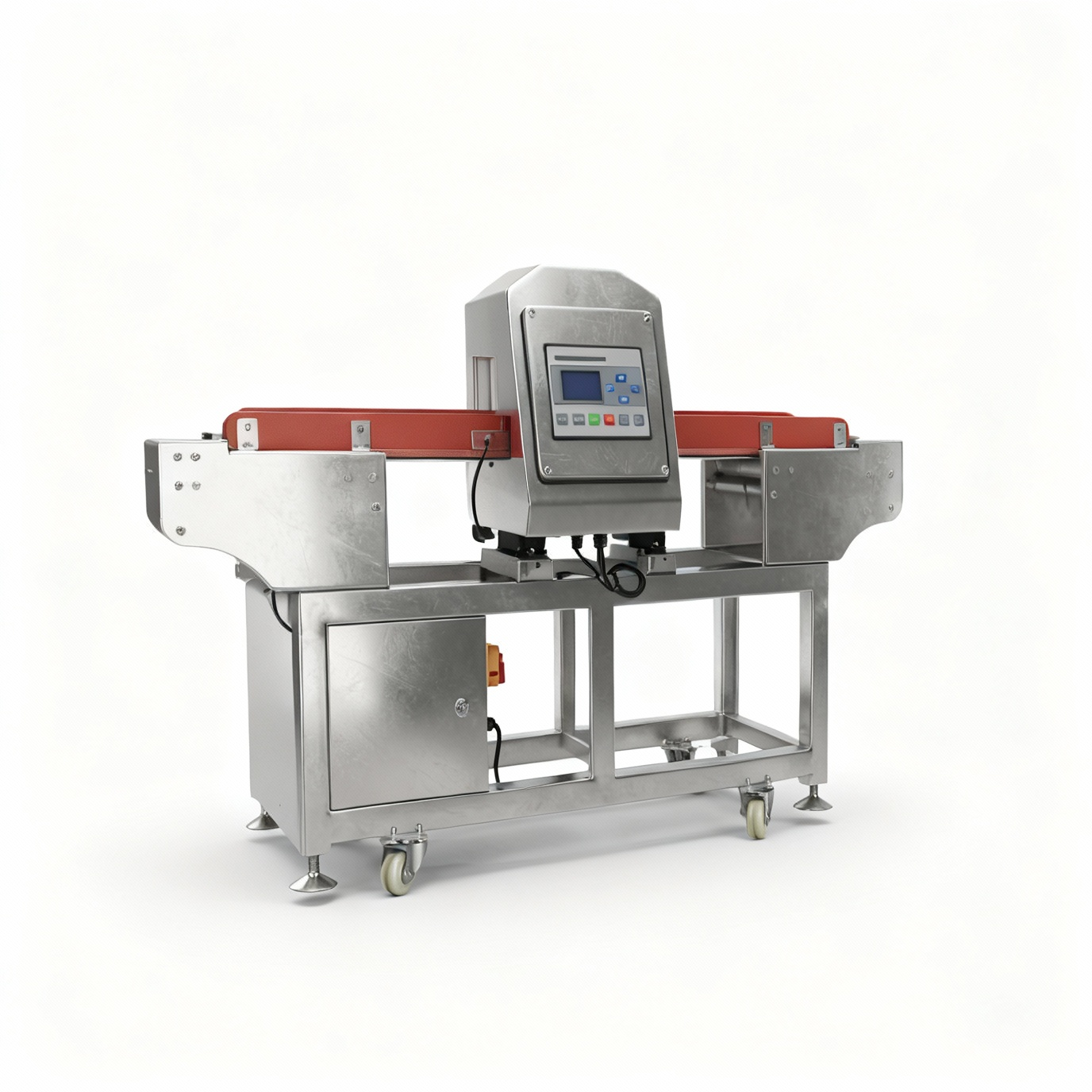
How FFS Packaging Systems Improve Packaging Efficiency
The global packaging industry is under constant pressure to balance speed, cost, quality, and sustainability. Among the most transformative technologies driving these goals is FFS packaging systems – short for Form-Fill-Seal technology – which has redefined how products are packaged across nearly every sector. Traditional packaging methods often involve disjointed steps (forming containers manually or semi-automatically, filling separately, sealing in a separate process), leading to bottlenecks, material waste, and higher labor costs. FFS systems integrate these three core stages into a single, continuous automated workflow, directly boosting packaging efficiency. This article explores how FFS packaging systems work, their key efficiency benefits, standard specifications, industry applications, and future trends to help businesses understand why this technology is a game-changer for modern packaging operations.
---
What Are FFS Packaging Systems?
FFS packaging systems are fully automated packaging lines that combine three sequential processes – forming the packaging material into a desired shape, filling the formed package with product, and sealing the package to create a finished unit – all in one continuous operation. Unlike traditional packaging lines that require separate machines for each step (e.g., a forming machine, a filler, a sealer), FFS systems eliminate intermediate steps, reducing handling time and error points.
There are three primary categories of FFS systems, each tailored to specific packaging needs:
1. Vertical Form-Fill-Seal (VFFS): The most common type, VFFS uses a roll of flexible packaging material (like plastic film or laminate) that is pulled vertically, formed into a tube, filled with product, and then sealed horizontally to create individual pouches or bags. It is ideal for bulk or granular products (e.g., rice, flour, snacks, pet food) due to its high speed and flexibility.
2. Horizontal Form-Fill-Seal (HFFS): HFFS operates horizontally, using a flat roll of material that is folded into a pocket, filled with product, and sealed to create sachets, flat packs, or stand-up pouches. This type is preferred for small, single-serve items (e.g., coffee pods, pharmaceutical blister packs, sauce packets) that require precise portion control.
3. Tray Form-Fill-Seal (Tray FFS): Designed for rigid packaging, Tray FFS forms pre-formed trays or custom shapes, fills them with product, and seals with a lidding material. It is widely used for ready meals, fresh produce, and frozen foods, offering protection for perishable items while maintaining packaging efficiency.
---
Key Ways FFS Packaging Systems Improve Packaging Efficiency
The primary value proposition of FFS packaging systems lies in their ability to streamline every stage of the packaging process, resulting in measurable improvements in efficiency. Below are the six most impactful ways these systems enhance packaging operations:
1. Integrated Automated Workflow Reduces Labor Dependency
Traditional packaging lines rely heavily on manual labor or semi-automated machines to handle packaging between forming, filling, and sealing. This requires workers to transfer semi-finished packages, adjust machine settings between runs, and monitor multiple steps simultaneously – all of which add time and cost. FFS systems eliminate these intermediate steps: a single continuous line handles forming, filling, and sealing automatically, with minimal human intervention. For example, a VFFS line can run for hours with only occasional monitoring, reducing labor requirements by up to 60% compared to semi-automated lines. This not only cuts direct labor costs but also frees up workers to focus on high-value tasks like quality control or machine maintenance.
2. Minimized Material Waste and Optimized Packaging Use
Packaging waste is a major concern for manufacturers, both environmentally and financially. Traditional methods often generate excess material from trimming, misaligned seals, or overpackaging. FFS systems use precise, computer-controlled cutting and sealing technology to match the exact size of the product being packaged, reducing material waste by up to 25%. For flexible packaging, FFS lines use roll stock, which is more efficient than pre-made containers (which require storage space and add material waste from leftover containers). Additionally, FFS systems can adjust package dimensions quickly for different product sizes, eliminating the need for multiple sets of pre-made packaging. This level of material optimization directly contributes to packaging efficiency by reducing costs associated with wasted materials and inventory.
3. Higher Production Speed and Throughput
One of the most well-known benefits of FFS packaging systems is their ability to achieve fast production speeds. Unlike traditional lines that often have bottlenecks between stages, FFS lines operate at continuous, consistent speeds with no waiting time between forming, filling, and sealing. For example, a standard VFFS line can produce 100 to 600 individual packages per minute, while a high-speed VFFS line can reach up to 800 units per minute. In contrast, semi-automated lines typically produce 20 to 100 units per minute. This dramatic increase in throughput means manufacturers can meet higher demand without adding extra production lines, reducing overall operational costs per unit. For industries with high-volume products (like snacks or grain), this speed translates to significant efficiency gains and faster time-to-market.
4. Enhanced Precision and Product Consistency
Packaging efficiency is not just about speed – it is also about maintaining quality and consistency. Misaligned seals, incorrect fill volumes, or damaged packages can lead to product waste, returns, and customer dissatisfaction. FFS systems use advanced sensors and control systems to ensure every package is formed to exact specifications, filled with the precise amount of product, and sealed with a leak-proof, uniform seal. For example, HFFS lines can achieve fill accuracy within ±0.5% of the target volume, which is critical for pharmaceutical or food products that require strict portion control. This level of precision reduces product waste from errors, improves brand reputation, and ensures compliance with regulatory standards – all of which are key components of overall packaging efficiency.
5. Reduced Downtime and Improved Line Uptime
Downtime for packaging lines is costly, costing manufacturers thousands of dollars per hour in lost production. FFS systems are designed for reliability, with fewer moving parts than traditional lines that require separate machines for each stage. Additionally, modern FFS systems are equipped with predictive maintenance tools that monitor machine performance in real time, alerting operators to potential issues before they cause a shutdown. According to industry data, FFS lines have an average uptime of 95% or higher, compared to 80% for semi-automated lines. This means less time spent repairing or adjusting equipment, more time producing goods, and higher overall efficiency for the packaging process.
6. Streamlined Logistics and Storage Efficiency
The efficiency gains from FFS packaging do not stop at the production line – they extend to supply chain and logistics. FFS-produced packages are often more compact than traditional containers (like rigid boxes or bottles), as they are tailored exactly to the product size. This compactness reduces storage space requirements in warehouses and transportation costs, as more units can be packed into a single pallet or shipping container. For example, a snack product packaged in individual FFS pouches takes up 30% less space than the same product in rigid plastic bags, leading to lower freight costs and more efficient warehouse operations. This end-to-end efficiency is a major advantage for manufacturers looking to optimize their entire supply chain.
---
Standard Specifications of FFS Packaging Systems
To help businesses understand the practical capabilities of FFS packaging systems, below is a table outlining key specifications for the three primary FFS system types, based on industry benchmarks:
| FFS System Type | Maximum Production Speed (Units per Minute) | Compatible Packaging Materials | Typical Industry Applications | Machine Footprint (Square Feet) | Power Requirement (kW) |
|--------------------------------|---------------------------------------------|---------------------------------------|-----------------------------------------------|----------------------------------|-------------------------|
| Vertical FFS (VFFS) | 100 – 600 | PE, PP, PET films, flexible laminates | Powders, granules, liquids (snacks, grains) | 100 – 200 | 5 – 15 |
| Horizontal FFS (HFFS) | 50 – 300 | Laminated films, sachet materials | Single-serve products (coffee, meds, sauces) | 80 – 150 | 3 – 10 |
| Tray Form-Fill-Seal (Tray FFS) | 20 – 100 | Rigid plastic, aluminum trays | Ready meals, fresh produce, frozen foods | 120 – 250 | 8 – 20 |
Notes: These specifications are general benchmarks; actual speeds and capabilities may vary based on machine model, product type, and packaging material. High-speed FFS systems for specific applications (e.g., confectionery) can exceed the maximum speed ranges listed above.
---
Industries Where FFS Packaging Systems Drive Maximum Efficiency
FFS packaging systems are versatile, making them suitable for a wide range of industries. Below are key sectors where these systems deliver the highest efficiency gains:
Food and Beverage
The food and beverage industry is the largest adopter of FFS technology, with applications ranging from single-serve coffee pods to bulk rice packaging. FFS systems are ideal here because they can handle a variety of products (dry, liquid, semi-solid) while maintaining strict hygiene standards. For example, snack manufacturers use VFFS lines to produce individual chip bags at high speeds, reducing labor and material costs. In the ready meals sector, Tray FFS lines enable sealed, portion-controlled packaging that extends shelf life, reducing food waste and improving supply chain efficiency.
Pharmaceuticals and Healthcare
In the pharmaceutical industry, precision and compliance are critical. FFS systems ensure accurate fill volumes for tablets, capsules, and liquid medications, meeting regulatory requirements (like FDA guidelines). HFFS lines are commonly used for blister packs and sachets of medicine, as they can produce small, uniform packages with minimal waste. This precision reduces product errors, speeds up packaging processes, and helps pharmaceutical companies meet demand for high-quality, consistent products.
Personal Care and Cosmetics
Personal care products (like lotion sachets, shampoo packets, and face masks) often use FFS packaging for their compact size and low cost. FFS systems allow manufacturers to customize package sizes and designs quickly, while maintaining high production speeds. For example, a beauty brand can use HFFS lines to produce single-use face mask sachets with branded printing, reducing lead times and improving efficiency compared to traditional manual packaging.
Agricultural and Chemical Products
Agricultural products (like seeds, fertilizers, and pesticides) and industrial chemicals require durable, leak-proof packaging that can protect products during transport. FFS systems using heavy-duty films or laminates are designed to handle these products, providing a secure seal that prevents leakage and contamination. VFFS lines are commonly used for packaging bulk fertilizers, while HFFS lines work well for small chemical sachets, ensuring efficiency in both large and small-scale packaging operations.
---
Common Myths About FFS Packaging Systems Debunked
Despite their many benefits, there are several misconceptions about FFS packaging systems that can prevent businesses from adopting this technology:
Myth 1: FFS Systems Are Only for Large-Scale Manufacturers
Reality: While high-speed FFS lines are designed for large production volumes, there are compact, mid-range FFS systems available for small and medium-sized enterprises (SMEs). These systems offer lower production speeds (20 – 100 units per minute) but still deliver efficiency gains over semi-automated lines, with lower upfront costs and smaller footprints.
Myth 2: FFS Packaging Lacks Customization
Reality: Modern FFS systems offer extensive customization options, including different package shapes (stand-up pouches, flat packs, quad-seal bags), branded printing, and variable dimensions. Operators can change package settings in minutes, making FFS suitable for products that require frequent design updates or smaller batch runs.
Myth 3: FFS Systems Have a Long ROI Period
Reality: While upfront costs for FFS systems can be higher than traditional lines, the ROI is typically achieved within 1 – 2 years due to reduced labor costs, lower material waste, and higher throughput. For example, a manufacturer producing 1 million units per year can save $50,000 – $100,000 annually by switching to an FFS line, leading to a quick payback period.
---
Future Trends in FFS Packaging Efficiency
The evolution of FFS technology continues to drive higher efficiency, with emerging trends shaping the future of packaging:
1. AI and IoT Integration: Modern FFS lines are being equipped with AI-powered analytics and IoT sensors that monitor every stage of production, predict maintenance needs, and optimize packaging settings in real time. This reduces downtime, improves accuracy, and further enhances efficiency.
2. Sustainable Materials Compatibility: As demand for sustainable packaging grows, FFS systems are being adapted to work with compostable films, recycled plastics, and paper-based materials. This allows manufacturers to meet sustainability goals while maintaining packaging efficiency.
3. Modular FFS Systems: Modular FFS lines can be expanded or reconfigured as production needs change, making them flexible for growing businesses. This scalability ensures that efficiency gains are maintained as production volumes or product types evolve.
4. Smart Packaging Features: FFS-produced packages are increasingly incorporating smart features like QR codes, NFC tags, or temperature sensors, adding value to the product while still being packaged efficiently.
---
Conclusion
FFS packaging systems have transformed the packaging industry by integrating automated workflows, reducing waste, increasing throughput, and improving overall efficiency. From small SMEs to large multinational manufacturers, these systems offer tangible benefits that address key pain points in packaging operations – including labor costs, material waste, and production speed. The standard specifications and industry applications outlined in this article demonstrate the versatility of FFS technology, while debunking common myths and highlighting future trends that will continue to drive efficiency. For businesses looking to optimize their packaging processes, investing in FFS packaging systems is a strategic decision that delivers long-term cost savings, improved quality, and competitive advantage.
 Baolan Group Industrial Park, Zhangdian District, Zibo City, Shandong Province Branch Offices: Hefei / Xinjiang / Shanghai Processing Bases: Zibo / Hefei
 +86 15156080266
 emocnn@163.com
© Copyright: 2026 Shandong Chengyi Intelligent Equipment Co., Ltd. All Rights Reserved.

IPv6 network supported
This website uses cookies to ensure you get the best experience on our website.


Comment
(0)