




News

Energy Efficient FFS Packaging Systems for Sustainable Production
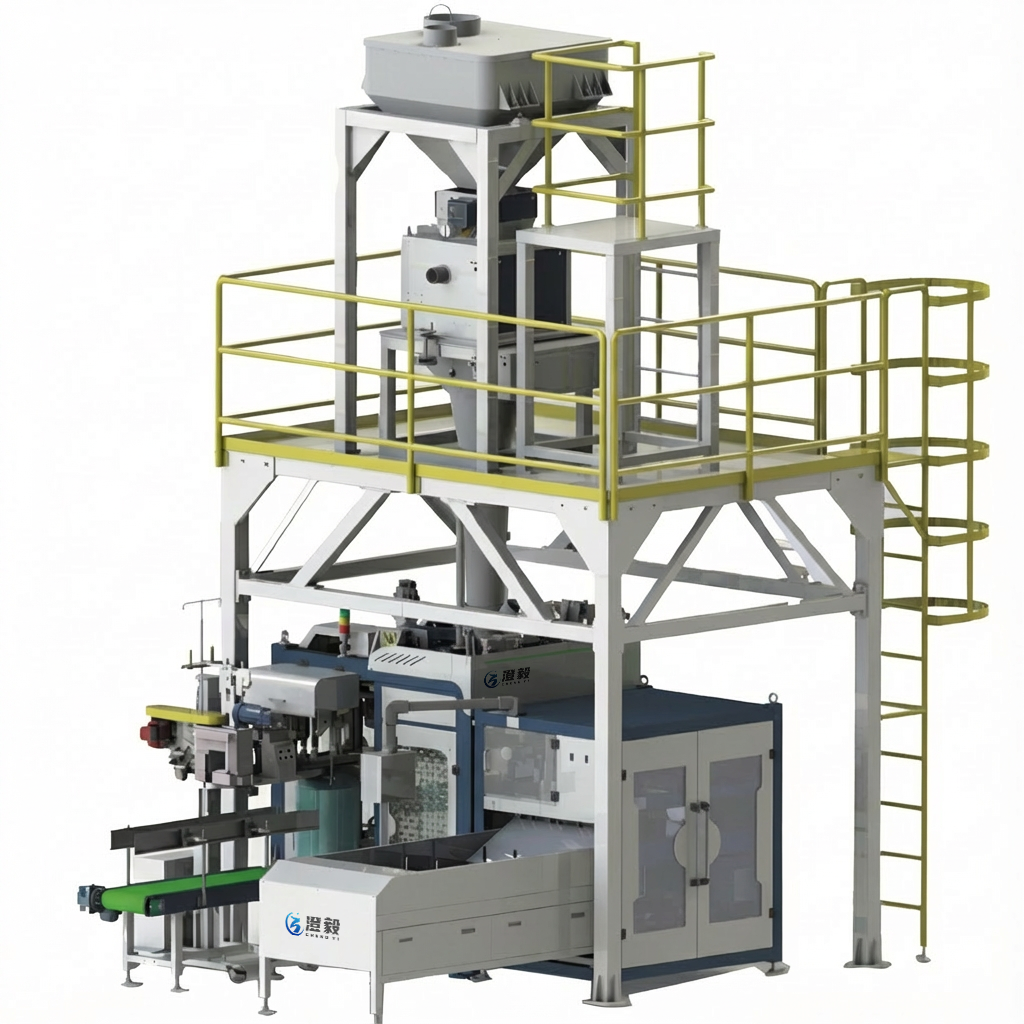
Energy Efficient FFS Packaging Systems for Sustainable Production
The global shift toward sustainable manufacturing has elevated packaging efficiency to a core priority across industries, with Energy Efficient FFS Packaging Systems emerging as a critical catalyst for reducing carbon footprints and operational costs. As businesses navigate regulatory pressures, consumer demand for eco-friendly products, and volatile energy prices, optimizing Form-Fill-Seal (FFS) processes is no longer optional—it’s a strategic necessity for long-term sustainability. This guide explores the definition, advantages, specifications, and implementation of energy-efficient FFS lines, tailored for industrial and manufacturing sectors.
---
Core Definition: What Are Energy Efficient FFS Packaging Systems?
Form-Fill-Seal (FFS) is an automated packaging process that integrates three key functions: forming a flexible package from a continuous film roll, filling it with product (liquids, powders, granulated goods, etc.), and sealing the package to create a finished unit. Traditional FFS systems, however, often operate with high energy waste, constant idle power use, and elevated defect rates. Energy Efficient FFS Packaging Systems are modified or purpose-built lines that use advanced technologies (intelligent heating, variable drives, IoT automation) to cut energy consumption by 50–70% while maintaining production speed, quality, and output capacity. These systems are designed to align with sustainable production goals, minimizing environmental impact without sacrificing operational performance.
---
The Imperative for Energy Efficient FFS in Sustainable Production
Packaging processes account for 25–30% of total energy use in fast-moving consumer goods (FMCG), pharmaceutical, and industrial manufacturing (Flexible Packaging Association, 2024). For a 50-line FMCG plant operating 24/7, conventional FFS lines can cost $150,000+ annually in electricity alone—translating to over 1,800 tons of annual CO₂ emissions.
Global regulatory frameworks amplify this urgency: initiatives like the EU’s Carbon Border Adjustment Mechanism (CBAM) and U.S. EPA’s Sustainable Manufacturing Standards penalize high-emission production, while 73% of global consumers pay 10–15% more for eco-packaged products (NielsenIQ, 2024). Energy Efficient FFS lines address both financial and sustainability needs, delivering a 1–2 year payback period for new installations (shorter for retrofits) and reducing scope 2 emissions (purchased energy) by 50%+ on average.
---
Key Advantages of Energy Efficient FFS Systems
The benefits of these lines extend far beyond energy savings, spanning environmental, economic, and operational domains:
1. Environmental Benefits
- Reduced Carbon Footprint: Cutting energy use directly lowers greenhouse gas emissions. A plant converting 10 conventional lines to energy-efficient models can eliminate ~1,500 tons of annual CO₂ emissions (equivalent to 320 cars off the road, EPA 2024).
- Minimized Waste: Lower sealing defect rates (<0.5% vs. 2–5% for traditional lines) reduce discarded film and product, while compatibility with thin, lightweight films cuts raw material use by 15–20%.
- Circular Economy Alignment: Designed for mono-material films (easy to recycle), these lines support closed-loop packaging models, where used packages are recycled into new materials.
2. Economic Benefits
- Lower Utility Costs: Annual savings of $100,000–$120,000 for mid-sized plants (based on industrial electricity rates of $0.15/kWh).
- Reduced Operational Expenses: Fewer defects mean less rework and material waste; higher OEE (85–95% vs. 65–75%) cuts downtime and boosts output revenue.
- Long-Term Value: Upfront costs are recouped in 1–2 years, with longer equipment lifespans from high-quality components.
3. Operational Benefits
- Flexibility: Adapts to diverse film types (recyclable, compostable, mono-material) and product sizes, supporting evolving production needs.
- Industry 4.0 Integration: IoT sensors enable real-time energy monitoring, predictive maintenance, and automated parameter adjustments to optimize performance.
- Scalability: Modular designs allow easy upgrades to match growing production volumes or changing sustainability targets.
---
Performance Specifications: Traditional vs. Energy Efficient FFS Systems
The table below compares critical metrics to highlight the gap between conventional and efficient lines, guiding manufacturers in decision-making:
| Performance Metric | Traditional FFS Systems | Energy Efficient FFS Systems |
|---|---|---|
| Energy Consumption (kWh per 1,000 units) | 12–18 | 4–7 |
| Sealing Defect Rate (%) | 2.0–5.0 | <0.5 |
| Overall Equipment Effectiveness (OEE, %) | 65–75 | 85–95 |
| Film Waste Generated (%) | 3.0–6.0 | <1.0 |
| Max Production Speed (packages per minute) | 80–150 | 100–200 |
| New Line Payback Period (Years) | – (lower upfront cost) | 1–2 |
| Retrofit Payback Period (Years) | – | 0.5–1.5 |
---
Design Principles Behind Energy Efficient FFS Lines
The technology powering these systems targets waste at every stage of the FFS process:
1. Intelligent Heating & Sealing: Induction or radiant heating with real-time temperature feedback adjusts to film thickness and production speed, cutting heat loss by 70% vs. conventional resistance heating.
2. Variable Speed Drives (VSD): Motors for film feeders, conveyors, and pumps adjust speed to match actual production, eliminating idle energy waste (up to 50% savings during low-volume runs).
3. Energy Recovery Systems: Excess heat from sealing is redirected to preheat incoming film; some lines recover braking energy to feed back into the grid, adding 10–15% more savings.
4. AI-Powered Automation: Smart controls analyze sensor data to optimize operations (e.g., reducing heating during slow shifts), while predictive maintenance prevents unplanned downtime.
5. Lightweight Film Compatibility: Optimized for thin films (10–20% lighter than traditional options) that use less material and require less energy to seal.
---
Integration into Sustainable Production Ecosystems
Energy Efficient FFS lines deliver maximum value when integrated with broader manufacturing sustainability strategies:
- Renewable Energy Pairing: Lower energy demand makes these lines ideal for powering with on-site solar/wind, achieving near-zero emissions for packaging operations.
- Waste Management Synergies: Low defect rates reduce landfill waste; remaining defective film is sorted and recycled via in-line or third-party systems.
- Sustainability Certifications: Real-time energy data supports compliance with ISO 14001, B Corp, or other eco-certifications, enhancing brand credibility.
---
Best Practices for Implementation
To maximize returns from energy-efficient FFS systems:
1. Conduct an Energy Audit: Map current energy use, defects, and OEE to set clear improvement goals.
2. Prioritize Retrofits: Upgrading existing lines with VSDs, smart heating, and sensors is cheaper than new installations, with quick payback.
3. Optimize Film Selection: Partner with suppliers to choose thin, recyclable films compatible with efficient lines, amplifying material savings.
4. Train Operators: Ensure staff use automation features to maintain peak efficiency and reduce human error.
5. Continuously Monitor: Use IoT data to adjust parameters, identify inefficiencies, and track long-term performance.
---
Conclusion
Energy Efficient FFS Packaging Systems are a cornerstone of sustainable production, bridging environmental responsibility and financial performance. By cutting energy use, reducing waste, and aligning with circular economy goals, these lines help manufacturers meet global sustainability mandates, reduce operational costs, and meet consumer demands for eco-friendly products. For businesses looking to future-proof their packaging operations, investing in energy-efficient FFS is not just a choice—it’s a competitive imperative.
 Baolan Group Industrial Park, Zhangdian District, Zibo City, Shandong Province Branch Offices: Hefei / Xinjiang / Shanghai Processing Bases: Zibo / Hefei
 +86 15156080266
 emocnn@163.com
© Copyright: 2026 Shandong Chengyi Intelligent Equipment Co., Ltd. All Rights Reserved.

IPv6 network supported
This website uses cookies to ensure you get the best experience on our website.


Comment
(0)