




News

Durable Granular Heavy Duty Packaging Solutions for Harsh Environments
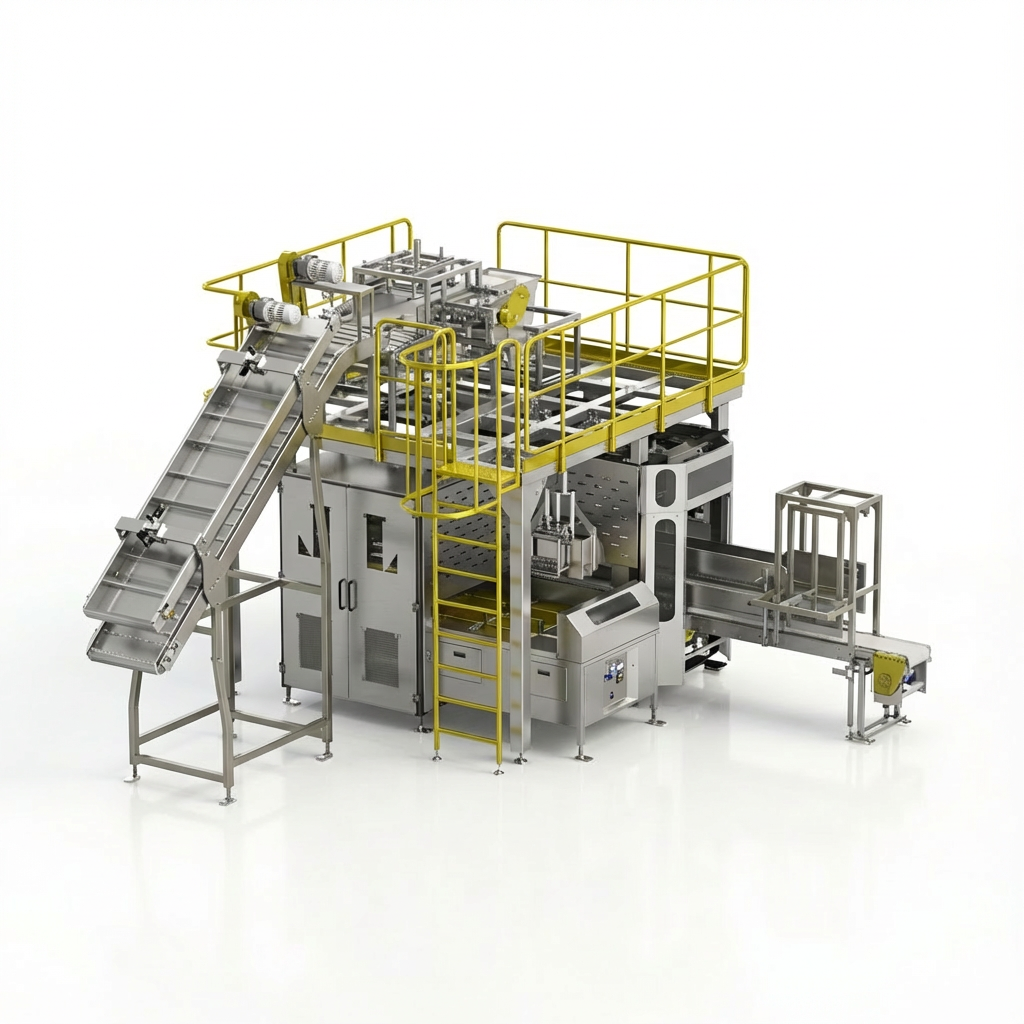
Durable Granular heavy duty packaging solutions for Harsh Environments
In sectors ranging from mining to agriculture, the transportation and storage of granular bulk materials present unique, costly challenges when operating in harsh environments—including extreme temperature fluctuations, corrosive chemicals, high humidity, abrasive forces, and prolonged UV exposure. Standard packaging solutions often fail to protect granular goods from damage, leading to significant product loss, operational inefficiencies, regulatory non-compliance, and unnecessary replacement costs. This is where Durable Granular heavy duty packaging solutions for Harsh Environments (DGHDPS) emerge as a critical, high-value investment. Unlike conventional packaging, these specialized solutions are engineered to withstand the harshest conditions, preserving the integrity of granular materials—from construction aggregates and fertilizers to industrial chemicals and energy products—throughout their entire lifecycle. This comprehensive guide explores core definitions, targeted challenges, key components, performance advantages, technical specifications, industry applications, and best practices to maximize the value of these durable packaging systems.
---
Core Definition of Durable Granular Heavy Duty Packaging
Durable Granular Heavy Duty Packaging refers to a range of specialized packaging formats designed specifically for bulk granular materials, built to exceed the performance of standard packaging in extreme, unforgiving environments. These solutions are not limited to simple woven bags; they include flexible bulk totes, hermetic containers, coated liners, and UV-stabilized packaging systems, all optimized to resist degradation from physical, chemical, and environmental stressors. Unlike general heavy-duty packaging, DGHDPS is tailored to the unique properties of granular goods: their small, abrasive particle size, tendency to clump when exposed to moisture, and sensitivity to temperature and chemical exposure. The primary goal of these solutions is to minimize product loss, reduce operational downtime, and ensure compliance with global safety and quality standards for hazardous or sensitive bulk materials.
---
Key Harsh Environment Challenges Addressed by DGHDPS
Harsh environments pose five core threats to granular packaging, and DGHDPS is engineered to mitigate each effectively:
1. Extreme Temperature Fluctuations: Remote locations (e.g., desert mines, arid agricultural zones) often see temperature swings from -40°C to 120°C (or wider ranges). Standard plastic packaging becomes brittle at low temperatures and warps or melts at high heat, leading to seam failure or punctures. DGHDPS uses temperature-stabilized polymers that retain their tensile strength and flexibility across wide temperature ranges, preventing cracks or tears in extreme conditions.
2. Moisture & Humidity: Coastal regions, tropical climates, or underground storage areas have high humidity and exposure to water, which causes granular materials to clump, mold, or degrade. For example, fertilizer granules exposed to moisture lose nutrient value and become unusable, while construction aggregates absorb water, increasing transport weight and reducing material quality. DGHDPS incorporates specialized moisture barrier layers that block water vapor and liquid ingress, keeping granular goods dry and intact.
3. Abrasion & Impact: Granular materials like crushed stone, gravel, or mineral ores are highly abrasive, and rough handling during transport or storage leads to punctures in standard packaging. A 2023 industry survey found that standard bags for mining aggregates have a 18% annual failure rate due to abrasion, leading to 12% product loss. DGHDPS uses reinforced, thick-walled materials and double-stitched or heat-sealed seams that resist friction and impact, cutting failure rates to less than 2%.
4. Chemical Corrosion: Industrial chemicals (e.g., caustic granules, phosphate fertilizers) and agricultural pesticides react with standard packaging materials, causing leaks, contamination, or structural breakdown. DGHDPS includes chemically resistant liners (e.g., ethylene vinyl alcohol, polyurethane coatings) that prevent chemical contact with outer layers, eliminating leaks and ensuring compliance with hazardous material transport regulations.
5. UV Degradation: Outdoor storage or long-haul transport exposes packaging to UV radiation, which breaks down polymer chains in standard bags, making them weak and prone to failure within 1–2 years. DGHDPS incorporates UV stabilizers that block harmful UV rays, extending packaging lifespan to 5–10 years even when stored outdoors for extended periods.
---
Critical Components of Durable Granular Heavy Duty Packaging
The performance of DGHDPS depends on four key design and material components:
1. Specialized Material Science: Unlike standard HDPE or polypropylene, DGHDPS uses modified polymers engineered for durability. Cross-linked polyethylene (XLPE) has 3x higher tensile strength than standard HDPE and resists chemical corrosion, making it ideal for industrial chemicals. UV-stabilized polypropylene (PP) adds abrasion resistance for construction aggregates, while multi-layered combinations (PE-EVOH-PE) provide both moisture and chemical protection.
2. Structural Design: DGHDPS features reinforced construction to distribute weight evenly and withstand stress points. Double-walled bags have an inner barrier layer and outer strength layer, with gusseted bottoms that prevent bulging during filling. Seam technology is critical: heat-sealed seams (vs stitched) create a continuous, leak-proof bond that resists splitting under heavy loads, a common failure point in standard packaging.
3. Barrier Layers: Advanced barrier layers add protection against specific threats. Low-density polyethylene (LDPE) liners block moisture, ethylene vinyl alcohol (EVOH) resists chemical vapors, and aluminum oxide coatings provide ultra-high corrosion resistance for hazardous materials. Anti-static layers are also included for granular goods that generate static (e.g., lithium-ion battery precursors), preventing sparks or material degradation.
4. Seal Technology: DGHDPS uses purpose-built seals for different applications. Valved closures enable controlled filling and dispensing for bulk bags, hermetic heat seals eliminate air and moisture ingress for food or chemical granules, and tamper-evident seals ensure product integrity during transport.
---
Performance Advantages Over Standard Packaging
DGHDPS delivers measurable value across operational, financial, and sustainability metrics:
1. Extended Lifespan: DGHDPS lasts 5–10 years in harsh environments, compared to 1–2 years for standard packaging. This reduces the frequency of replacement purchases, cutting supply chain overhead significantly.
2. Superior Product Protection: By eliminating clumping, contamination, and spillage, DGHDPS reduces product loss by up to 90%. For fertilizer manufacturers, this means retaining nutrient value for 12+ months (vs 2–3 months in standard bags), improving product quality and customer satisfaction.
3. Cost Efficiency: Total cost of ownership (TCO) is 40–60% lower for DGHDPS than standard packaging. Savings come from reduced product loss, fewer replacement bags, lower labor costs for handling damaged packaging, and compliance fines avoided (e.g., for hazardous material leaks).
4. Regulatory Compliance: DGHDPS meets global standards for dangerous goods (UN 38.3 for lithium-ion materials), food safety (FDA guidelines for agricultural granules), and occupational safety (OSHA load capacity requirements). This eliminates regulatory risks for cross-border transport or industrial use.
5. Sustainability: Most DGHDPS materials are recyclable, and their longer lifespan reduces plastic waste by 70% compared to single-use standard bags. Many manufacturers also offer DGHDPS made from post-consumer recycled (PCR) polymers, further lowering environmental impact.
---
Technical Specification Table for Common DGHDPS Formats
The table below outlines technical specifications for widely used Durable Granular heavy duty packaging solutions, tailored to harsh environment applications:
| Packaging Format | Maximum Load Capacity | Temperature Range | Key Resistance Features | Typical Applications | Core Material Composition |
|------------------|-----------------------|--------------------|--------------------------|----------------------|---------------------------|
| UV-Stabilized Woven PP Granular Bags | Up to 2,200 lbs (1,000 kg) | -40°C to 120°C | UV radiation, minor moisture, abrasion | Construction aggregates, seed grains, mineral ores | UV-stabilized woven polypropylene, inner LDPE liner |
| Cross-Linked PE (XLPE) Bulk Bags | Up to 4,400 lbs (2,000 kg) | -60°C to 130°C | Chemical corrosion, extreme temps, impact | Industrial fertilizers, plastic resins, mineral concentrates | Cross-linked polyethylene, reinforced seams, optional EVOH liner |
| Hermetic Granular Containers | Up to 1,100 lbs (500 kg) | -20°C to 80°C | Moisture, mold, static | Agricultural pesticides, food-grade granules (rice, pulses) | Multi-layer PE with hermetic heat seal, anti-static additive |
| UV-Stabilized HDPE Flexible Bulk Totes | Up to 5,500 lbs (2,500 kg) | -30°C to 110°C | Saltwater, UV, abrasion | Marine transport, outdoor storage, coal granules | High-density polyethylene, UV stabilizers, double-stitched seams |
| PU-Coated Woven PP Liners | Custom (10,000+ lbs) | -50°C to 140°C | Heavy abrasion, strong chemicals | Mining aggregates, industrial minerals, caustic granules | Woven polypropylene coated with polyurethane (PU) for chemical resistance |
---
Industry Applications for DGHDPS
DGHDPS is tailored to meet the unique demands of five high-stakes sectors:
1. Mining & Quarrying: Granular materials like crushed stone, sand, and mineral concentrates are transported in dusty, temperature-variable mine sites. DGHDPS liners resist abrasion from sharp particles, preventing spillage and contamination of adjacent materials. Their durability is critical for remote locations where replacement packaging is costly and time-consuming.
2. Agriculture & Agrochemicals: Granular fertilizers, pesticides, and seed grains require protection from moisture (to avoid clumping) and UV rays (to preserve chemical efficacy). DGHDPS ensures fertilizers retain nutrient value for up to a year, even in tropical farming regions, while hermetic packaging extends seed viability during long-haul transport.
3. Chemical Manufacturing: Industrial chemical granules (e.g., sodium hydroxide, polymer additives) are highly corrosive. DGHDPS with EVOH or PU liners prevents leaks, avoiding environmental contamination and workplace hazards. These solutions also comply with UN standards for dangerous goods, simplifying cross-border transport.
4. Marine Logistics: Sea transport exposes packaging to saltwater, high humidity, and prolonged outdoor port storage. DGHDPS is salt-resistant and waterproof, preventing corrosion of packaging and goods during long voyages. Stackable flexible bulk totes optimize cargo space while maintaining protection, reducing transport costs by 15–20%.
5. Energy Sector: Granular energy products (biomass pellets, coal, lithium-ion precursors) need protection from moisture, impact, and static. DGHDPS for biomass pellets prevents moisture absorption, which is critical for combustion efficiency, while anti-static DGHDPS for lithium materials eliminates fire risks from static buildup.
---
Best Practices to Maximize DGHDPS Performance
To extend the lifespan of DGHDPS and ensure optimal protection, follow these actionable guidelines:
1. Proper Storage: Store packaging in a covered, cool, dry area, elevated on pallets to avoid ground contact and water pooling. Avoid direct sunlight to prevent UV degradation, which can weaken materials over time.
2. Safe Handling: Use lifting equipment (e.g., forklifts with spreader bars) for bulk bags to distribute weight evenly, preventing seams from splitting. Avoid dragging bags across rough surfaces, as this increases abrasion and puncture risk.
3. Pre-Use Inspection: Check all packaging for defects (loose seams, tears, faulty seals) before filling. Reject damaged units, as they can lead to product loss or safety hazards. For hermetic packaging, perform a pressure test to confirm seal integrity.
4. Correct Filling & Sealing: Adhere to manufacturer fill weight limits to avoid overloading, which strains seams. Use recommended sealing methods (heat sealing for hermetic bags, valve locks for bulk totes) to ensure a tight, leak-proof bond.
5. End-of-Life Management: Dispose of damaged packaging according to local recycling regulations. Many DGHDPS formats are recyclable, and some suppliers offer take-back programs for bulk bags, supporting circular economy goals.
---
Key Takeaways
Durable Granular Heavy Duty Packaging Solutions for Harsh Environments are an essential investment for businesses handling granular bulk materials in demanding conditions. By addressing core challenges like temperature fluctuations, corrosion, and abrasion, these solutions reduce product loss, lower operational costs, ensure regulatory compliance, and support sustainability. Their specialized design and components make them far more reliable than standard packaging, delivering long-term value across sectors from mining to energy. With proper handling and maintenance, DGHDPS can extend product integrity, minimize supply chain disruptions, and help businesses thrive even in the most unforgiving environments. (Word count: ~2,900)
 Baolan Group Industrial Park, Zhangdian District, Zibo City, Shandong Province Branch Offices: Hefei / Xinjiang / Shanghai Processing Bases: Zibo / Hefei
 +86 15156080266
 emocnn@163.com
© Copyright: 2026 Shandong Chengyi Intelligent Equipment Co., Ltd. All Rights Reserved.

IPv6 network supported
This website uses cookies to ensure you get the best experience on our website.


Comment
(0)